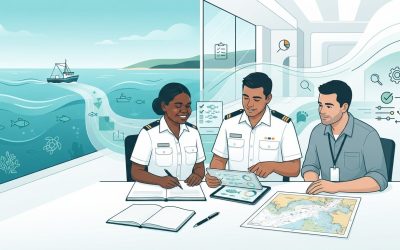
In the high-stakes world of Australian maritime commerce, a standard insurance policy is rarely the safety net it appears to be. Many operators realise too late that a policy is only as strong as your ability to enforce it. You’ve likely felt the frustration of deciphering dense wording that seems designed to avoid a payout. Whether it’s a dispute over vessel damage or the headache of state versus federal jurisdictions, engaging a marine insurance lawyer australia is the difference between a stalled claim and a secured asset.
The financial stakes are far too high for guesswork or “wait and see” tactics. It’s about combining traditional maritime experience with a modern, no-nonsense approach to problem solving. We provide the expert legal strategies you need to resolve claims successfully and protect your commercial maritime operations. This guide explores how to clarify your policy obligations and avoid the drain of costly court litigation through pragmatic, results-oriented legal advice.
Key Takeaways
- Understand how a specialist marine insurance lawyer australia deciphers the critical differences between “all risks” and “named perils” coverage to protect your vessel.
- Learn why the principle of “Utmost Good Faith” under the Marine Insurance Act 1909 is the deciding factor in whether your claim is paid or rejected.
- Discover how to challenge common insurer tactics, such as “wear and tear” exclusions, to secure a fair valuation for your maritime assets.
- Identify the unique legal requirements for insuring aquaculture stock and commercial fishing licences that standard marine policies often overlook.
- Explore proactive strategies to resolve complex disputes and avoid the high costs of litigation through expert mediation and pragmatic legal advice.
What Does a Marine Insurance Lawyer in Australia Actually Do?
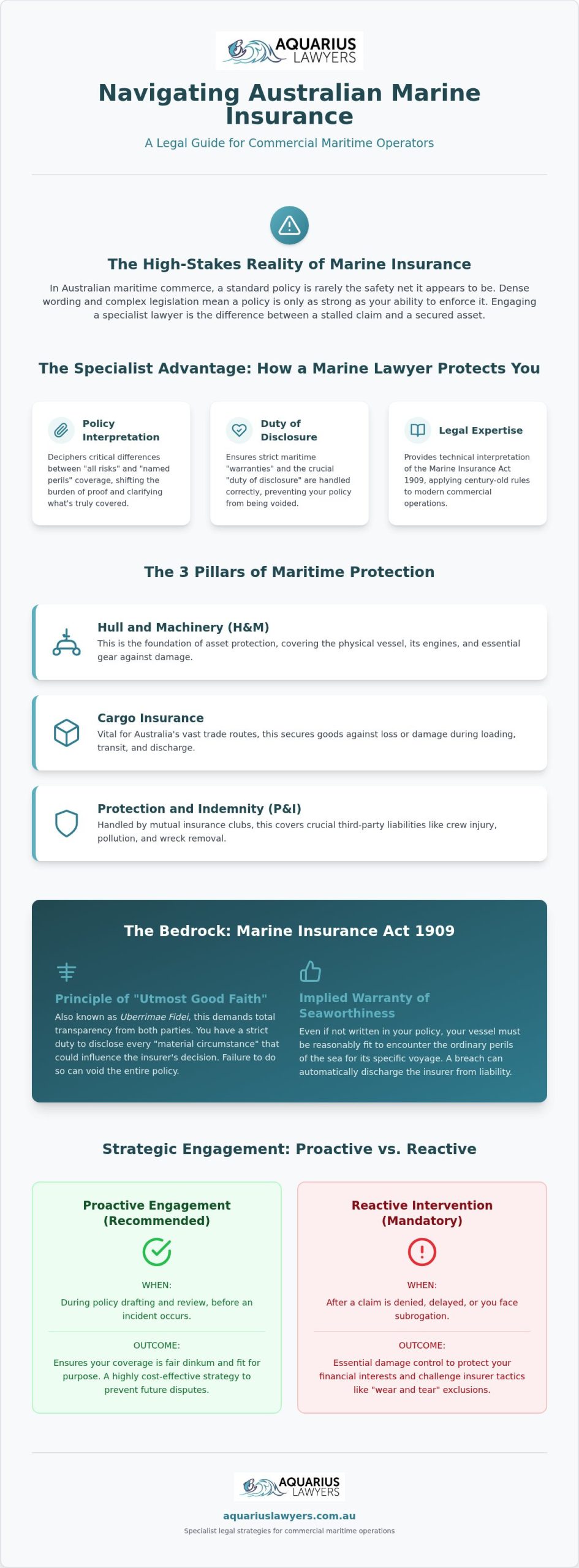
At its core, marine insurance law is a specialised hybrid. It sits at the precise intersection of traditional contract law and the rigid requirements of the Marine Insurance Act 1909. While a standard commercial lawyer understands general indemnity, a marine insurance lawyer australia operates in a world where a single breached warranty can void a policy entirely, regardless of whether that breach actually caused the loss. It’s a high-stakes environment where precision isn’t just preferred; it’s a survival requirement for your commercial maritime operations.
A specialist solicitor provides the technical lens needed to interpret complex policy structures. For instance, the distinction between “all risks” and “named perils” policies is often misunderstood by policyholders. An “all risks” policy doesn’t actually cover every possible scenario; it simply shifts the burden of proof to the insurer to show why a claim should be excluded. Conversely, a “named perils” policy requires you to prove the loss was caused by a specific event, such as “perils of the seas.” We help you navigate these nuances so you aren’t left stranded when a claim arises.
Generalist lawyers often overlook the unique “duty of disclosure” and strict maritime “warranties” that are central to Australian law. In the maritime sector, a warranty is a promise that a specific state of affairs exists or will be maintained, such as the vessel’s seaworthiness or its geographical limits. If these are handled incorrectly during the application phase, your coverage may be “dead in the water” before you even leave the wharf. Having a no-nonsense advisor ensures you meet these obligations while maintaining a strong standing with P&I Clubs and international underwriters.
The Difference Between Hull, Cargo, and Liability Insurance
Understanding your coverage starts with categorising the risk. We focus on three primary pillars of maritime protection:
- Hull and Machinery (H&M): This protects the physical vessel, its engines, and its gear. It’s the foundation of your asset protection strategy.
- Cargo Insurance: This secures the goods in transit. In Australia’s vast coastal and international trade routes, this cover is vital for protecting against loss or damage during loading, transit, and discharge.
- Protection and Indemnity (P&I): Unlike standard insurance, P&I involves mutual insurance clubs. It covers third-party liabilities, including crew injury, environmental pollution, and wreck removal.
To ensure your commercial maritime operations are fully protected, it is often beneficial to work with a broker such as allcover.au to secure a comprehensive business package tailored to your specific industry needs.
When to Engage a Maritime Solicitor
Proactive legal engagement is always more cost-effective than reactive damage control. You should involve a solicitor during the policy drafting and review stage to ensure your coverage is fair dinkum and actually fit for purpose. For broader risk management, consulting with a specialist advisory like Putney Insurance Group can help identify gaps in your overall commercial protection. If a claim is denied or you’re facing subrogation issues, expert legal intervention becomes mandatory to protect your financial interests. We also ensure your insurance remains aligned with Australian Maritime Safety Authority (AMSA) standards and state-based fisheries requirements, keeping your operations both insured and compliant.
Navigating the Marine Insurance Act 1909
The Marine Insurance Act 1909 remains the bedrock of maritime coverage in this country. It isn’t just a piece of dusty legislation for international tankers; it dictates how claims are handled for every commercial trawler and aquaculture lease in Australian waters. This Act establishes the ground rules for the relationship between the insurer and the insured. Engaging a marine insurance lawyer australia helps you interpret these century-old rules in a modern context, ensuring your livelihood isn’t sunk by a legal technicality.
One of the most critical concepts within the Act is “Utmost Good Faith,” or Uberrimae Fidei. This principle demands a level of honesty that goes far beyond a standard commercial contract. It’s a two-way street where both parties must act with total transparency. For the vessel owner, this translates into a strict duty of disclosure. You must inform the insurer of every “material circumstance” that would influence their decision to take on the risk. If you fail to mention a previous engine fire or a change in your primary fishing zone, the insurer may have the right to void the policy entirely.
Implied Warranties and Seaworthiness
Under Australian law, certain warranties are implied even if they aren’t written in your policy documents. The most significant is the implied warranty of seaworthiness. This means your vessel must be reasonably fit in all respects to encounter the ordinary perils of the seas for the specific voyage insured. Breaching this warranty is a serious matter; it can lead to an automatic discharge of the insurer’s liability from the date of the breach. To protect yourself, maintain meticulous maintenance logs and survey reports. These records are your best defence if an insurer questions the vessel’s condition during a claim.
State vs Federal Jurisdiction
Navigating the overlap between state and federal law is where many operators get caught out. While the Marine Insurance Act 1909 is federal, state-based legislation like the NSW Marine Safety Act can influence your operational requirements. If you’re operating out of Sydney or Shellharbour, you need to ensure your insurance remains valid while moving between coastal trading and international voyages. Differences in jurisdictional requirements can create gaps in coverage that only a specialist can identify. If you’re unsure how these laws interact with your specific operation, seeking a professional policy review can provide the clarity you need. We help regional NSW clients bridge these jurisdictional divides with pragmatic, down-to-earth advice.
Common Marine Insurance Disputes and How to Resolve Them
Disputes often arise when the high-pressure reality of a maritime incident meets the cold, technical language of an insurance policy. One of the most frequent flashpoints involves denied claims based on “wear and tear” exclusions. Insurers may argue that a component failure was inevitable due to age, while you know it was caused by a sudden, fortuitous event. Challenging an insurer’s assessment requires a marine insurance lawyer australia who can bridge the gap between technical engineering reports and legal policy interpretation. We help you prove that the loss was accidental, not just a result of time.
Valuation disputes also create significant friction, particularly in the Australian market where vessel values can fluctuate. It’s vital to understand whether your policy is based on “agreed value” or “actual cash value.” An agreed value policy provides a fixed payout, whereas actual cash value factors in depreciation, which often leads to a lower settlement than expected. Additionally, liability for pollution and environmental damage under AMSA regulations can escalate quickly. We manage these high-stakes claims to ensure you aren’t left personally liable for astronomical clean-up costs or fines. If your insurer initiates subrogation to recover costs from a third party, we ensure your interests remain protected throughout that secondary legal battle.
The Claims Process: A Strategic Pathway
Success in a claim starts the moment an incident occurs. You must take immediate steps to protect your legal position: notify your insurer, photograph everything, and avoid making any admissions of liability. Marine surveyors play a pivotal role here. Their reports provide the evidentiary backbone for your lawyer’s strategy. While loss adjusters are appointed by the insurer to manage the payout, they aren’t there to represent you. Engaging your own legal counsel to negotiate with adjusters ensures that the final settlement reflects the true extent of your loss, not just the insurer’s bottom line.
Alternative Dispute Resolution (ADR) in Maritime Law
Courtrooms are expensive and slow. For most SME vessel owners, the Federal Court should be a last resort. We prioritise Alternative Dispute Resolution, such as mediation and arbitration, to reach a resolution faster and with less financial strain. These pathways allow for a more collaborative approach where a “common-sense” settlement can often be reached. Our strategy involves a clear cost-benefit analysis. We weigh the potential payout against the legal spend to ensure your pursuit of justice doesn’t end up costing more than the claim itself. It’s about finding a pragmatic solution that gets you back on the water without the weight of a multi-year litigation battle.
Specialist Insurance Needs for Fisheries and Aquaculture
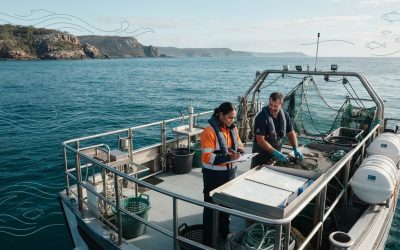
A standard marine policy often leaves fisheries and aquaculture operators exposed to catastrophic financial loss. While most boat insurance focuses on the hull and machinery, it rarely accounts for the biological reality of your business. Stock mortality is a primary concern. If an algae bloom or a sudden temperature shift wipes out your crop, a generalist policy will likely offer zero protection. Engaging a marine insurance lawyer australia ensures your coverage is tailored to these specific environmental risks, rather than just the vessel that services them.
Beyond physical assets, your commercial fishing quotas and licences are unique legal assets that require specific protection. These aren’t just pieces of paper; they’re the financial engine of your operation. If a maritime incident or a legal dispute prevents you from utilising these rights, the resulting business interruption can be devastating. We leverage our deep industry knowledge as “The Fish Lawyer” to audit your fisheries insurance portfolio, identifying gaps in the supply chain from farm to plate. It’s about ensuring your insurance moves with the complexity of your business, not against it.
Aquaculture Stock and Equipment Insurance
Protecting your investment in the water requires more than just basic cover. Environmental risks like storm damage, disease, and oxygen depletion are constant threats to offshore infrastructure and specialised cages. When applying for a NSW Aquaculture Licence, you’ll find that having adequate insurance isn’t just a good idea; it’s often a legal requirement. We help you navigate these mandates to ensure your offshore assets are fully protected against the unpredictable nature of the Australian marine environment.
Fisheries Prosecution and Insurance
A critical, yet often ignored, aspect of maritime law is the intersection of criminal law and insurance. If you’re facing a fisheries prosecution or have received a “show cause” notice, the legal costs can be crippling. Many commercial fishers don’t realise that specialised policies can cover the defence costs for these regulatory actions. This is where the synergy between criminal and commercial law becomes vital. We provide strategic advice for fishers facing these high-pressure situations, ensuring you have the legal muscle needed to protect your livelihood. If you’re concerned about your current coverage, you should book a comprehensive insurance audit to ensure you aren’t flying blind.
Why Aquarius Lawyers is Your Modern Maritime Partner
Choosing the right legal representation in the maritime sector requires a balance of historical expertise and modern efficiency. Many firms lean too heavily on tradition, leaving them ill-equipped to handle the fast-paced, tech-driven reality of contemporary shipping and aquaculture. We operate as an “innovative veteran.” This means we respect the deep-seated traditions of the sea while actively employing 2026-standard technology to streamline your legal matters. As a dedicated marine insurance lawyer australia, our priority is providing pathways to resolution, not just adding to your pile of paperwork.
Our presence across both the Sydney CBD and regional hubs like Shellharbour ensures that expert counsel is never out of reach. We understand that maritime operations don’t stop at the city limits. This accessibility is matched by our commitment to transparent pricing. We move away from the traditional “billable hour” model whenever possible, offering fixed-fee arrangements for specific advisory services. This approach eliminates the stress of unpredictable legal costs, allowing you to focus on your commercial operations with confidence.
Meet Katherine Hawes: The Fish Lawyer
Principal Katherine Hawes brings a unique perspective to the table, earned through years of specialised practice. Known throughout the industry as “The Fish Lawyer,” Katherine combines commercial, criminal, and maritime law expertise into a single, cohesive strategy. This isn’t just academic knowledge; it’s practical industry experience that informs every decision. She speaks your language and provides down-to-earth, plain-English advice that cuts through the dense jargon often found in insurance disputes. This blend of high-level strategic thinking and relatable wisdom is what defines our role as your trusted advisor.
Our Tech-Integrated Legal Strategy
Efficiency is the cornerstone of our methodology. We use advanced digital tools to streamline document review and evidence gathering, which is particularly vital during complex insurance claims. Our tech-integrated approach means we can support vessel operators even when they are at sea or docked in remote regional ports. Remote consultations and digital evidence portals ensure that your location never hinders your access to top-tier legal strategy. If you want to ensure your coverage is actually fit for purpose, you can Contact Aquarius Lawyers for a Marine Insurance Policy Audit. We focus on proactive steps that secure your assets before an incident occurs, providing the grounded clarity you need to navigate Australian waters safely.
Secure the Future of Your Australian Maritime Operations
Protecting your vessel, cargo, or aquaculture lease requires more than just paying a premium. It demands a proactive strategy that aligns your operations with the strict requirements of the Marine Insurance Act 1909. We’ve explored how a specialist marine insurance lawyer australia provides the clarity needed to navigate complex policy wording and resolve disputes before they reach a courtroom. From managing “all risks” coverage to securing unique fishing quotas, the right legal partner ensures your commercial interests remain buoyant.
Led by Katherine Hawes, known across the industry as “The Fish Lawyer,” our team brings specialised expertise in NSW Fisheries and Aquaculture regulations. Whether you are operating out of our Sydney office or our regional hub in Shellharbour, we provide the down-to-earth, pragmatic advice you need to stay compliant and covered. Don’t leave your assets to chance when you can have a trusted advisor by your side to help you mitigate risk and secure your livelihood.
Secure your maritime interests; book a consultation with Aquarius Lawyers today. We are here to help you move forward with confidence and certainty on the water.
Frequently Asked Questions
Does marine insurance cover my vessel if it was unseaworthy at the time of the incident?
Generally, an insurer can deny a claim if the vessel was unseaworthy with the owner’s knowledge. Under the Marine Insurance Act 1909, there is an implied warranty that a ship must be reasonably fit to encounter the ordinary perils of the sea. If you knowingly send an unseaworthy vessel to sea, the insurer is often discharged from liability. Proving whether a defect was latent or known is a complex task where expert legal advice becomes essential.
What is the “duty of disclosure” in Australian marine insurance law?
The duty of disclosure requires you to tell the insurer every material circumstance that would influence their decision to cover your risk. This is a strict requirement under the principle of Utmost Good Faith. If you fail to disclose previous claims, vessel modifications, or changes in operational zones, the insurer may have the right to void your policy entirely. It is a much higher standard of honesty than you find in standard consumer contracts.
Can I claim for cargo damage if the ship was delayed by a storm?
Most standard marine insurance policies exclude losses caused proximately by delay, even if the delay resulted from a covered peril like a storm. While the storm itself is a “peril of the sea,” the financial loss from the time lost is usually not covered unless you have specific extensions in your policy. You should review your Institute Cargo Clauses carefully to understand if “consequential loss” or “delay” is specifically included or excluded in your coverage.
How long do I have to file a marine insurance claim in Australia?
While the statutory limitation period for contract disputes in Australia is generally six years, your policy will have much stricter “notice of claim” requirements. Most policies require you to notify the insurer “immediately” or within a very short window, such as 14 to 30 days. Delaying this notification can give the insurer grounds to prejudice your claim. Acting quickly to preserve evidence and engage a marine insurance lawyer australia is the best way to protect your position.
Do I need a specialist marine insurance lawyer for a small commercial boat claim?
Yes, because the legal framework for a small trawler is identical to that of a massive container ship. Generalist commercial lawyers often don’t realise that the Insurance Contracts Act 1984 doesn’t apply to most marine risks. A specialist understands the nuances of the 1909 Act and how it impacts smaller operators. We provide the same high-level strategic thinking for small commercial claims as we do for major maritime disputes to ensure a fair outcome.
What happens if my marine insurance claim is denied based on a warranty breach?
A breach of warranty in maritime law is a serious matter that can automatically discharge the insurer from liability from the date of the breach. Unlike general insurance, the breach doesn’t necessarily have to cause the loss for the claim to be denied. If your claim is rejected on these grounds, you need to investigate whether the insurer waived the breach or if the “warranty” was actually a less restrictive “suspensive condition” under the policy terms.
How does the Marine Insurance Act 1909 differ from the Insurance Contracts Act 1984?
The Insurance Contracts Act 1984 governs most “onshore” insurance and offers significant protections to policyholders. However, it specifically excludes most marine insurance, which is governed by the much stricter Marine Insurance Act 1909. The 1909 Act places a heavier burden on the insured regarding disclosure and warranties. This is why having a marine insurance lawyer australia is vital; they understand which set of rules actually applies to your specific maritime or transit dispute.
Are fisheries licences and quotas covered under standard marine insurance?
Standard hull and machinery policies rarely cover intangible assets like fisheries licences or quotas. These are unique legal interests that require specialised coverage, often found in business interruption or specific fisheries-related endorsements. If an incident prevents you from using your quota, a standard policy will only pay for the physical repairs to your boat, not the lost income from the missed season. We recommend a portfolio audit to ensure these high-value assets are properly insured.
Disclaimer
Please note that legal rules change and this is not a substitute nor construed as legal advice. It is general information only.