
News
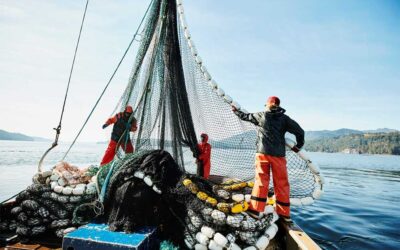
Navigating the Legal Relationship Between Aquaculture Farmers and Fish-Feed Suppliers
The commercial relationship between aquaculture producers and feed suppliers is one of the most consequential in the seafood value chain. Feed determines not only growth rates and survival but also...

Sea-food Fraud and Traceability: Legal Risks in Global Supply Chains
Seafood fraud has emerged as a significant legal, commercial and regulatory issue as global supply chains expand and consumer demand for sustainable, traceable seafood increases. For Australian...

Aquaculture Financing in the Blue Economy: What Fisheries Need to Know
Aquaculture has become a central pillar of the blue economy, attracting investment, government support and corporate interest as global demand for sustainable seafood accelerates. Yet for many...
Indigenous Joint Ventures in Aquaculture: Legal Structures, Benefits and Pitfalls
Indigenous joint ventures in aquaculture are becoming an increasingly important model for delivering economic development, cultural empowerment and sustainable marine enterprise across Australia. As...

Marine Spatial Planning and Fisheries Access: Legal Trends in Australian Coastal Zones
Marine Spatial Planning (MSP) is reshaping how Australia allocates, manages and protects its coastal and ocean spaces. As competition for ocean use intensifies—from aquaculture to offshore energy,...

Exporting to New Markets Beyond China: Legal, Trade and Certification Frameworks for Southeast Asia and the Middle East
As global seafood trade continues to diversify, many Australian exporters are reducing their reliance on China and pursuing new high-value markets in Southeast Asia and the Middle East. While these...

Emerging Species in Aquaculture: Regulatory Pathways for Novel Marine Farms
Australia’s aquaculture industry is expanding beyond traditional species such as salmon, oysters, and prawns. As operators seek new markets, climate-resilient species, and diversified revenue...
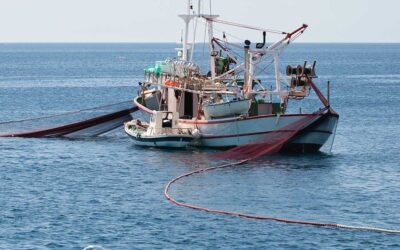
Aquaculture Biosecurity: Legal Frameworks for Disease Outbreak and Containment
Biosecurity is now one of the defining risk factors in global aquaculture, shaping regulatory responses, commercial readiness, and the legal responsibilities of operators. In Australia’s highly...

Indigenous Sea-Country Partnerships for Aquaculture: Legal Structures, Benefits and Pitfalls
Indigenous sea-country partnerships in aquaculture are rapidly emerging as a cornerstone of Australia’s blue-economy development. As governments, investors and Traditional Owners recognise the...

Insurance and Liability in the Blue Economy: Vessels, Environmental Incidents and Supply-Chain Shocks
The expansion of Australia’s blue economy—spanning aquaculture, wild-catch fisheries, offshore energy, marine logistics and coastal infrastructure—has amplified complex risks for seafood producers...

Intellectual Property, Branding and the “Clean & Green” Australian Seafood Label: Legal Risks of Misrepresentation
Australia’s seafood industry has long benefited from a strong international reputation for premium, clean and sustainable products. As global consumers increasingly seek low-impact, ethically...

Understanding Blue Carbon and Its Relevance to Aquaculture
Blue carbon is rapidly becoming a central theme in global climate policy and coastal management. For aquaculture operators, blue carbon presents both an opportunity and a legal frontier....
Sea-Food Fraud and Traceability: Legal Risks in Global Supply Chains
Seafood fraud has become a global issue affecting consumer confidence, regulatory compliance and international trade integrity, with Australian exporters increasingly exposed to the legal risks of...
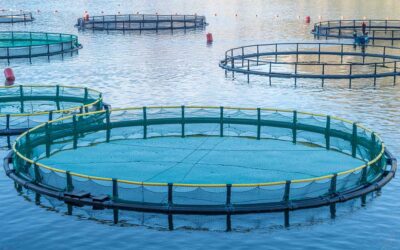
Offshore Aquaculture Licensing: Legal Pathways Beyond the Coastal Zone
Offshore aquaculture is emerging as a major growth frontier for Australia’s seafood sector, driven by increasing coastal constraints, stronger environmental sustainability goals, and rising...
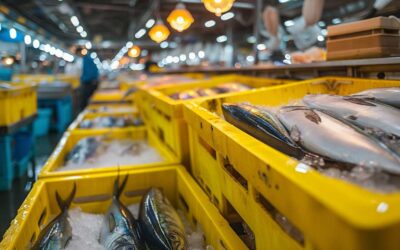
Smart Packaging and Sustainability: legal challenges for seafood exporters
Smart and sustainable packaging is rapidly becoming an essential component of modern seafood export operations. With global customers demanding transparency, lower environmental impacts, and proof...

Port Infrastructure, Logistics and Cold-Chain Regulation: Legal Challenges for Seafood Exporters
Australia’s seafood industry relies heavily on efficient, consistent and legally compliant supply chains to maintain both domestic distribution and global competitiveness. For exporters of...

The Value of the Australian Seafood Industry to the Economy
Australia’s seafood industry is a vital contributor to national prosperity, particularly across coastal and regional communities where fishing, aquaculture and processing remain foundational...

INDIGENOUS CORPORATIONS IN THE SEAFOOD INDUSTRY
Indigenous corporations are quietly reshaping Australia’s seafood industry – from small coastal fishing enterprises to sophisticated aquaculture and processing ventures. They are not just commercial...

Using Your SMSF to Assist Your Seafood Business: Opportunities, Risks and Legal Considerations
Self-managed superannuation funds (SMSFs) have become an increasingly popular wealth-building tool for business owners across Australia. For operators in the seafood sector—whether wild-catch,...
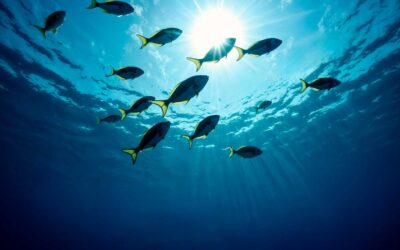
Traceability: Why you should pay attention
Traceability: Why you should pay attention! Traceability is now at the heart of the seafood industry. From the boat or farm to the plate, consumers, regulators and markets demand proof of origin,...
STAY UP TO DATE
Get In Touch
Talk to the 'Fish Lawyer' about a consultation for a Legal Strategy Session.