News
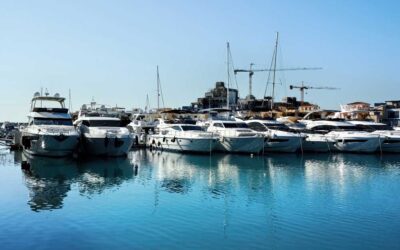
Marine Park Management: declarations and what they mean for your business!
Introduction Recent marine-protection declarations along Australia’s coastlines are reshaping the regulatory landscape for commercial fishing and aquaculture. For operators, Indigenous persons with...
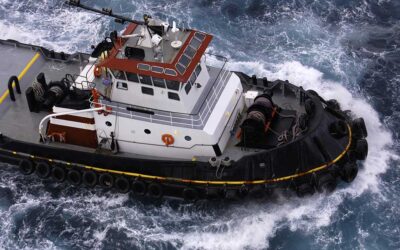
Traceability why it matters to the Seafood Industry!
Traceability in the seafood industry is now one of the most important issues facing commercial fishers, aquaculture producers, processors and exporters. With growing global demand for safe and...

Blockchain and Traceability in the Seafood Industry
Blockchain technology is becoming an increasingly important tool for traceability in the global seafood industry. It promises to bring greater transparency, efficiency and trust to supply chains...
Organisation and Lobbying: Why the Australian commercial fishing industry lags behind the cattle industry – what to do about It!
Australia’s cattle industry is one of the best-organised primary production sectors in the country. From the paddock to Parliament, the Cattle Council of Australia and state-based farming bodies...
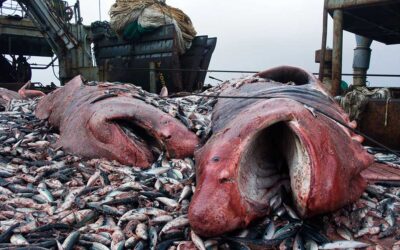
Mistreated Bycatch, No-Take Salmon, Missing Logbook Lines: a Lakes Entrance cautionary tale!
Who was involved & where it happened A commercial master based at Lakes Entrance (Vic) pleaded guilty in the Bairnsdale Magistrates’ Court (15 January 2025) to four offences: two counts of...
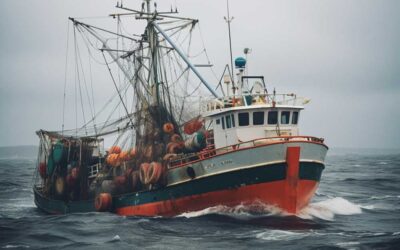
“20× Over The Limit”: The snapper trip-limit case off Wilsons Promontory
Who was involved & where it happened Two commercial fishers linked to a Commonwealth-regulated vessel fishing east of Wilsons Promontory (Vic) pleaded guilty in the Bairnsdale Magistrates’ Court...
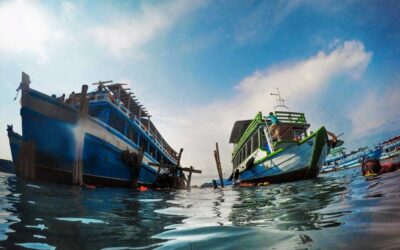
Recreational Fishing in Australia: Warmer Weather, Legal Requirements, and What to Do if Stopped by a Fisheries Officer
Introduction As warmer weather returns across Australia, recreational fishers are dusting off their rods and heading out to beaches, rivers, and reefs. Fishing is one of the nation’s favourite...

Sea cucumbers, destroyed vessels, and jail: two Darwin cases that set the tone on illegal foreign fishing (Oct–Nov 2024)
Who was involved & where it happened Nineteen Indonesian nationals appeared in the Darwin Local Court in two linked matters after Australian authorities intercepted separate vessels targeting...

Trading Tides: Legal Strategies for Global Seafood Market Resilience
Introduction Australian seafood is world-renowned for its quality, freshness, and sustainability. From wild-caught prawns to farmed salmon, our products command premium prices in international...
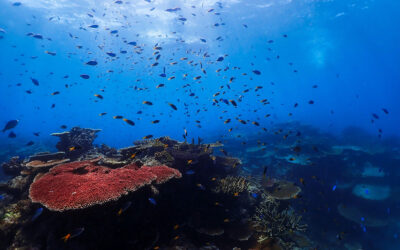
Rights to the Sea: Legal Battles Over Access and Food Security
Introduction The ocean is vast, but access to its resources is increasingly contested. For Australia’s seafood industry, the ability to catch fish or farm aquaculture is not simply a matter of...

People First: Legal Pathways to a Healthy, Skilled, and Inclusive Seafood Workforce
Introduction Behind every catch, every farm, and every export container in Australia’s seafood industry are people. The sector relies on a diverse workforce — from fishers and aquaculture...
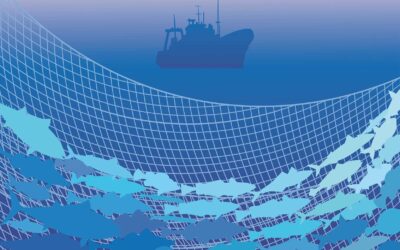
Sustainable by Law: Legal Tools for Climate Resilience in Seafood
Introduction Climate change is not a distant threat for the seafood industry — it is already here. Rising ocean temperatures, changing currents, acidification, and more frequent extreme weather...
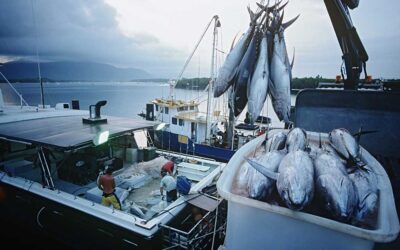
Smart Seas, Smarter Laws: Regulating AI and Innovation in Fisheries Management
Introduction The seafood industry is in the middle of a technological revolution. Artificial intelligence (AI), blockchain traceability, drones, remote sensing, and smart gear are no longer science...
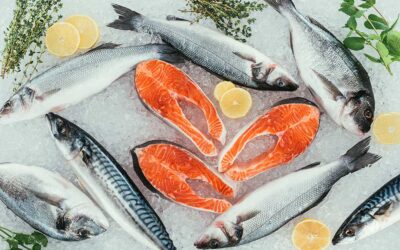
From Catch to Plate: Legal Challenges in Building Consumer Trust and Provenance
Introduction The seafood industry in Australia is undergoing a transformation. No longer is it enough to land a good catch and send it to market. Today’s consumers want more. They want to know where...
How Carbon Credits Work in Aquaculture
Carbon credits in aquaculture are tied to the capture or removal of carbon dioxide from the atmosphere through biological processes in marine farming systems. This is known as blue carbon. Key...
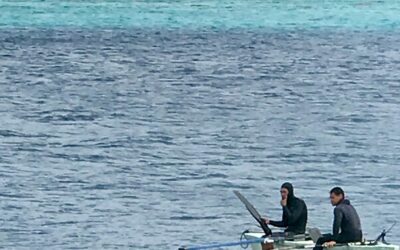
Wild Catch Fishing Infringement Notices – What to Do If You Get Inspected?
Introduction For wild catch fishers, inspection is part of the job. Fisheries officers have broad powers to board vessels, check gear, and inspect catch. Most inspections are routine — but sometimes...
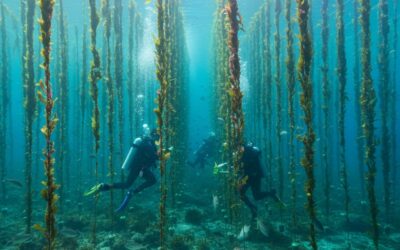
Seaweed Farming – How Do I Avoid Legal Risks?
Introduction Seaweed farming is emerging as one of Australia’s most promising aquaculture industries. Beyond providing food and fertiliser, seaweed is now being recognised for its role in reducing...
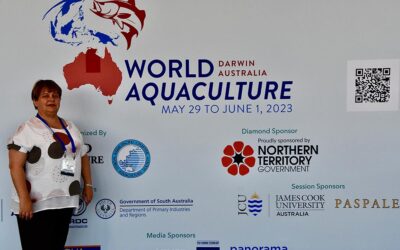
Meet the Driving Force Behind Aquarius Lawyers
Introduction Behind every successful firm is a leader who blends expertise with vision. At Aquarius Lawyers, that leader is Katherine Hawes, Principal Solicitor. With decades of experience in law,...
Key Legal Considerations to Obtain Indigenous Crayfish Quota Allocations in WA
Introduction Western Rock Lobster is Australia’s most valuable fishery, generating over $400 million annually. For Indigenous communities, crayfish is not just a commercial product — it is part of...
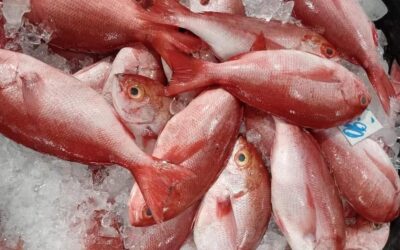
Logistics of Exporting Catch to China – The Legal Implications
Introduction China is Australia’s largest seafood export market, especially for high-value species like lobster, abalone, and prawns. The rewards are high — but so are the risks. Exporting to China...
STAY UP TO DATE
Get In Touch
Book a consultation with us!