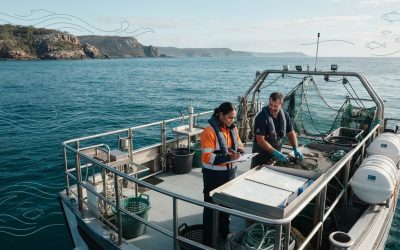

Australia’s seafood industry is a vital contributor to national prosperity, particularly across coastal and regional communities where fishing, aquaculture and processing remain foundational economic activities.
The Monetary Value Proposition
Across wild-capture fisheries and aquaculture, the sector has delivered consistent growth over the past three years, with the total gross value of production (GVP) reaching approximately AUD 3.63 billion in 2022–23. Aquaculture continues to lead this growth trajectory, contributing around AUD 2.29 billion in the same period, driven largely by salmonids, barramundi, prawns and oysters.
Seafood exports remain a substantial revenue source for Australia. In 2022–23 the sector generated an estimated AUD 1.37 billion in export earnings, supported by high-value premium products such as southern bluefin tuna, Western rock lobster, abalone and prawns. Global demand for clean, safe, sustainably harvested seafood positions Australia favourably in competitive markets such as China, Japan, the United States and Southeast Asia.
Domestically, the seafood sector continues to underpin food security and consumer choice. Australians consume a high volume of seafood per capita, and confidence in local supply remains strong thanks to Australia’s stringent regulatory frameworks and sustainability credentials. According to ABARES forecasts, overall seafood production value is expected to rise further to around AUD 3.70 billion in 2023–24, with a longer-term projected real average value of AUD 3.48 billion between 2024–25 and 2028–29.
The value of the industry extends beyond direct dollar figures. The sector sustains thousands of regional jobs, from vessel crews and aquaculture technicians to processors, transport operators and exporters. It also enriches coastal tourism, where seafood experiences—festivals, local catch restaurants, and aquaculture tours—support broader regional economic development. With many family-owned businesses spanning generations, the industry also plays a cultural and social role in coastal identity and community resilience.
Key Economic Trends Over the Past Three Years
The past three years have shown a steadier performance compared with other agricultural sectors affected by climate variability. While weather events and global supply chain disruptions have created challenges, Australia’s fisheries management systems and aquaculture investments have provided resilience.
Aquaculture has grown rapidly due to advances in feed technology, breeding programs, farm design and environmental monitoring. The steady rise in aquaculture value—from just over AUD 2 billion two years ago to AUD 2.29 billion in 2022–23—has offset modest variations in wild-catch volumes caused by environmental fluctuations and stock management constraints. Meanwhile, premium export commodities such as rock lobster and abalone have continued to perform strongly, although geopolitical shifts have highlighted the need for diversified market strategies.
Key Risks Facing the Australian Seafood Industry
The seafood industry faces a range of risks that require careful planning, legal awareness and adaptive strategies to maintain long-term stability.
Environmental risks remain significant. Climate-driven changes such as rising sea temperatures, ocean acidification, coral impacts, algal blooms and altered current patterns can disrupt spawning cycles, shift species distributions, and affect aquaculture viability. These risks require investments in hard infrastructure, selective breeding, monitoring systems and updated operational planning.
Market-based risks also affect profitability and stability. The global seafood market is highly competitive and sensitive to trade restrictions, tariffs, currency fluctuations and economic downturns. Events such as health scares, changes in consumer sentiment, or sudden import restrictions by foreign governments can rapidly affect export volumes and prices.
Legal and regulatory risks are central considerations for every operator. The industry is governed by multiple layers of state, territory and federal law. These include fisheries management acts, aquaculture licensing, environmental regulations, biosecurity obligations, marine park zoning, food safety laws, workplace health and safety requirements, maritime laws, and international trade agreements. Non-compliance—whether intentional or accidental—can result in penalties, licence conditions, operational suspensions, or investigations that disrupt business continuity.
Biosecurity remains a critical legal and operational risk. Outbreaks affecting prawns, finfish or oysters can undermine entire regional industries, compromise export eligibility, and prompt government-mandated eradication or containment orders. Operators must maintain strict record-keeping, hygiene practices, water quality monitoring, and training to meet biosecurity standards.
Native title and Indigenous rights considerations have also become increasingly important. Many fisheries and aquaculture zones overlap with areas of cultural significance or native title determinations. Ensuring respectful engagement with First Nations communities, supporting co-management opportunities, and understanding legal rights associated with sea country are essential to avoiding disputes and enhancing long-term access.
Labour shortages and workforce compliance challenges also impose risk. The seafood industry depends on skilled and semi-skilled labour, including seasonal workers. Ensuring correct visa management, fair pay, accommodation standards and workplace safety systems are essential to avoid breaches of employment law and to maintain a strong industry reputation.
Enhancing Product Appeal for Global Markets and Consumers
Against this backdrop of opportunity and risk, Australian commercial fisheries and aquaculture producers have significant scope to expand their global appeal. Consumers worldwide are increasingly demanding seafood products that are traceable, ethically sourced and environmentally responsible—areas where Australia already holds strong competitive advantages.
A major opportunity lies in provenance and storytelling. Modern consumers want detailed information about the source of their seafood, the fishing methods used, and the environmental standards applied. By adopting digital traceability systems, QR-code labelling, vessel monitoring integration and transparent reporting, operators can enhance confidence and differentiate their products in premium markets.
Certification is another critical tool for global positioning. Programs such as Marine Stewardship Council (MSC), Aquaculture Stewardship Council (ASC), Best Aquaculture Practices (BAP) and HACCP accreditation are increasingly expected by major retailers, importers and wholesalers. Certification assures buyers of legality, sustainability and food safety—key factors influencing purchasing decisions in Europe, the US and parts of Asia.
Innovation in value-added products is important for expanding market share. While premium whole-product exports remain central, there is growing demand for ready-to-cook options, convenient meal kits, shelf-stable products and environmentally friendly packaging. Product diversification strengthens resilience and appeals to younger, health-conscious consumers seeking convenience without compromising quality.
Strengthening cold-chain logistics and export infrastructure is also essential to reaching global markets in better condition and with reduced wastage. Efficient transport systems, improved live-export technologies and partnerships with freight companies help maintain product quality and export competitiveness.
Collaboration with Indigenous enterprises provides additional cultural and commercial value. Indigenous-led fisheries, aquaculture ventures and sea-country stewardship programs can enhance market appeal by integrating cultural storytelling, ethical sourcing and unique branding opportunities.
Finally, the industry must continue to invest in workforce development. Skills in aquaculture science, marine engineering, compliance, environmental monitoring, marketing and digital systems are vital to support industry growth. A well-trained workforce strengthens legal compliance, enhances sustainability and ensures ongoing competitiveness.
Conclusion
Australia’s seafood industry remains a powerful economic and social asset, delivering billions in value, sustaining regional communities and offering globally competitive, sustainably sourced products. While environmental pressures, legal obligations and market uncertainties create real challenges, the sector’s strong governance, growing aquaculture capability and commitment to quality position it well for continued expansion. By embracing innovation, strengthening traceability and deepening global engagement, Australia can further elevate its seafood brand and secure long-term industry resilience.