
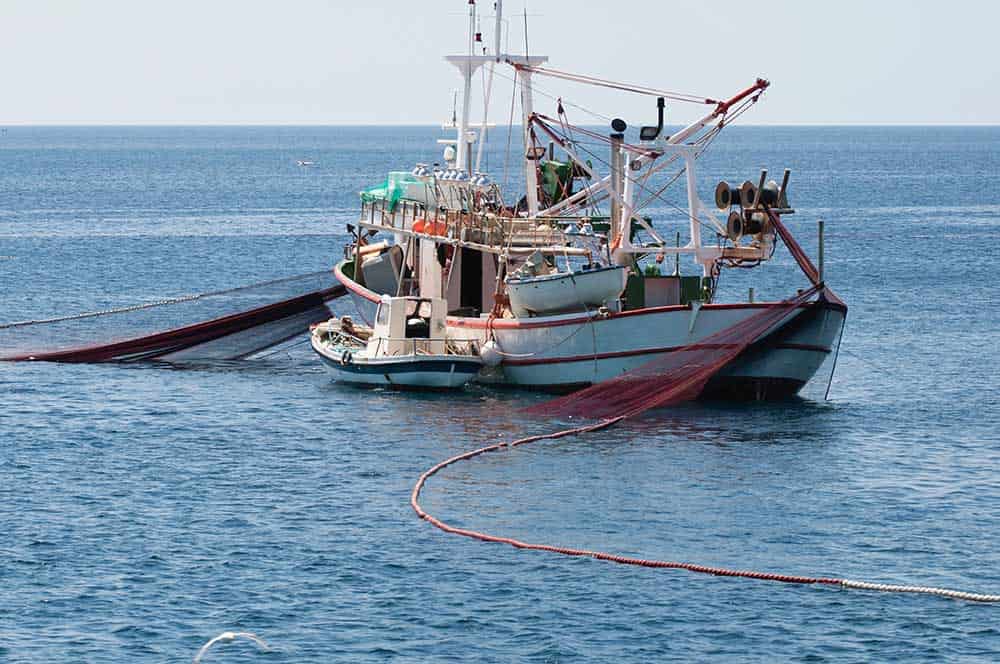
Biosecurity is now one of the defining risk factors in global aquaculture, shaping regulatory responses, commercial readiness, and the legal responsibilities of operators. In Australia’s highly regulated seafood sector—built on a “clean, green, and safe” reputation—understanding the legal frameworks for disease outbreak and containment is essential for operators, investors, and supply-chain partners.
The Growing Importance of Aquaculture Biosecurity
Aquaculture’s expansion has amplified the potential scale and impact of aquatic disease events. Operators need to understand not only their operational risks but their statutory duties during a suspected or confirmed outbreak.
Key drivers of escalating biosecurity expectations include:
- Increased production density and more intensive systems.
- Cross-jurisdictional seafood trade and broodstock movement.
- Environmental change influencing pathogen spread.
- Heightened regulator expectations following disease incidents (e.g., white spot, Pacific Oyster Mortality Syndrome).
- Greater consumer scrutiny of food safety and environmental performance.
Australia’s Legal Biosecurity Framework: An Overview
Australian biosecurity law is layered across Commonwealth, state, and territory regimes. Together they create a network of duties, controls, reporting obligations, and enforcement pathways that aquaculture operators must comply with.
Core components of this system include:
- The Biosecurity Act 2015 (Cth) governing national-level risks, import controls, surveillance, and emergency response.
- State and territory aquatic biosecurity laws governing on-farm management, reporting, and containment duties.
- Marine park, fisheries, and environmental permitting requirements that incorporate biosecurity safeguards.
- Standards and protocols issued by governments, industry bodies, and certifiers (e.g., Best Aquaculture Practices).
- International frameworks such as the OIE Aquatic Animal Health Code guiding disease management in export supply chains.
Key Legal Duties for Aquaculture Operators
Across jurisdictions, aquaculture businesses face strict statutory obligations when managing aquatic animal health events. These obligations apply whether an operator farms fish, crustaceans, molluscs, or integrated multi-trophic systems.
Core duties generally include:
- Mandatory reporting of “notifiable diseases” or unusual mortality events within required timeframes.
- Complying with monitoring, sampling, and surveillance directions issued by regulators.
- Maintaining farm biosecurity plans aligned with industry or government-approved guidelines.
- Preventing unauthorised movement of stock, equipment, or water that could spread pathogens.
- Maintaining records, logs, and traceability systems enabling rapid response during an outbreak.
- Cooperating with inspectors and granting lawful access to facilities for testing or containment actions.
Emergency Disease Response Powers
When a disease event is suspected or confirmed, regulators can activate substantial emergency powers that override normal commercial activity. Operators need to be aware of how these powers can impact operations and business continuity.
Common emergency powers include:
- Quarantine declarations restricting access, movement, harvesting, or processing.
- Destruction or disposal orders for stock, equipment, feed, or contaminated materials.
- Mandatory fallowing periods and environmental remediation requirements.
- Closure of waterways, exclusion zones, or buffer areas around affected sites.
- Directed treatment protocols and enhanced biosecurity procedures.
- Seizure of samples, records, or equipment during investigations.
Movement Controls and Trade Restrictions
Movement of aquatic animals, larvae, equipment, and water represents one of the highest-risk biosecurity pathways. Legal frameworks tightly regulate internal and interstate movement, particularly for high-value species such as prawns and oysters.
Key controls typically include:
- Permits for the movement of stock or equipment from declared biosecurity zones.
- Restrictions on translocation of broodstock or genetic material.
- Controls on live transport systems, effluent discharge, and water treatment.
- Interstate health certification requirements for producers selling or moving oysters, prawns, or finfish.
- Temporary suspensions on trade or stocking during outbreak periods.
On-Farm Biosecurity Plans as a Legal Requirement
Although often perceived as an operational document, biosecurity plans increasingly carry legal weight and can influence liability outcomes. Regulators expect aquaculture enterprises to maintain detailed, current, and enforceable plans.
Legally significant plan components include:
- Farm layout, traffic flows, and segregation of stock classes.
- Water intake, filtration, disinfection, and effluent management systems.
- Visitor protocols, PPE, and hygiene stations.
- Stock sourcing rules, quarantine tanks, and pathogen screening procedures.
- Mortality logging, surveillance routines, and data reporting structures.
- Cleaning, disinfection, and decontamination schedules.
Liability and Enforcement Risks
Failure to meet biosecurity obligations exposes operators to serious legal, financial, and reputational consequences. These risks extend beyond regulatory fines to civil liability and commercial disputes.
Common liability risks include:
- Prosecution for failing to report notifiable diseases or obstructing inspectors.
- Fines for breaching movement restrictions, quarantine directives, or permit conditions.
- Civil actions from neighbouring farms or supply-chain partners affected by disease spread.
- Contractual disputes where buyers or exporters suffer commercial losses due to contaminated product.
- Increased insurance premiums, loss of certification status, or termination of supplier agreements.
The Role of Environmental Law in Disease Management
Biosecurity is increasingly intertwined with environmental compliance, especially where pathogens are linked to water quality, effluent management, or ecological sensitivity.
Legal intersections arise through:
- Requirements under the Environment Protection and Biodiversity Conservation Act for high-risk activities.
- State EPA oversight of waste discharge, chemical use, and environmental monitoring.
- Marine park authority rules governing species introductions, infrastructure design, and biofouling control.
- Aquaculture licences incorporating environmental conditions tied to disease prevention.
- Water quality triggers requiring action to reduce stress-induced disease susceptibility.
Insurance and Risk Allocation
Insurance is becoming a critical component of biosecurity risk management, but coverage varies widely and may exclude certain pathogens or mass mortality events. Legal advice is often required to ensure policies are adequate.
Key considerations include:
- Business interruption coverage for mandated closures or quarantines.
- Mortality insurance and exclusions linked to known or emerging diseases.
- Liability cover for third-party claims resulting from disease spread.
- Interaction between insurance obligations and regulatory reporting duties.
- Alignment of biosecurity plans with insurer expectations.
Biosecurity and Export Market Compliance
Disease events can have immediate export consequences, with importing countries imposing trade bans, enhanced testing, or certification restrictions. Export-oriented aquaculture producers must understand the legal requirements of foreign markets.
Key compliance elements include:
- Meeting equivalent standards under international aquatic animal health codes.
- Ensuring certification officers have accurate records and sampling data.
- Maintaining cold-chain, processing, and traceability protocols to prevent contamination.
- Adhering to country-specific import health requirements and documentation.
- Managing reputational impacts that may affect market access or price.
Governance and Director Duties in Biosecurity Management
Directors and officers of aquaculture companies have governance responsibilities that extend to biosecurity oversight. Failing to ensure adequate systems exposes the company—and its leadership—to legal risk.
Important governance duties include:
- Implementing fit-for-purpose biosecurity and disease response plans.
- Ensuring sufficient funding for infrastructure, surveillance, and staff training.
- Regularly reviewing risk registers and assurance systems.
- Overseeing compliance reporting and internal audits.
- Documenting decisions and due diligence processes.
Best-Practice Risk Mitigation Strategies
Successful biosecurity management is not only a legal requirement but a competitive advantage in export-driven markets. Incorporating legal, operational, and commercial strategies helps build resilience.
Practical mitigation strategies include:
- Conducting regular legal compliance audits and licence reviews.
- Undertaking scenario testing and outbreak simulations with staff.
- Strengthening supply-chain agreements with specific biosecurity clauses.
- Using third-party certification to demonstrate best practice.
- Investing in monitoring technologies, rapid diagnostics, and traceability tools.
- Maintaining cross-farm communication networks for early warning.
Conclusion
Aquaculture biosecurity is a complex, multi-layered legal environment that demands proactive management. As industry growth continues and disease risks evolve, operators must combine strong governance, robust on-farm systems, and a clear understanding of regulatory duties. With adequate preparation and expert legal guidance, aquaculture businesses can protect stock, safeguard markets, and respond effectively when an outbreak occurs.