Aquaculture is rapidly transforming through the adoption of advanced technologies designed to improve productivity, environmental performance and operational efficiency
Aquaculture is rapidly transforming through the adoption of advanced technologies designed to improve productivity, environmental performance and operational efficiency. From real-time environmental monitoring and automated feeding systems to artificial intelligence analytics and autonomous underwater vehicles, modern aquaculture operations increasingly rely on sophisticated technological systems. These innovations are reshaping how aquaculture businesses manage fish health, optimise feed conversion and monitor environmental conditions.
However, the integration of advanced technology also raises complex legal and regulatory questions. Aquaculture operators must navigate licensing regimes, environmental compliance obligations, data management requirements and emerging rules governing automated systems and remote operations. As regulators adapt to technological innovation, aquaculture enterprises must ensure that their operational systems remain compliant with existing legal frameworks while anticipating future regulatory developments.
This article examines the evolving relationship between aquaculture technology and the legal frameworks that govern its use in Australia, focusing on monitoring systems, automated infrastructure and emerging autonomous technologies.
Technological transformation in aquaculture
Aquaculture has historically relied on labour-intensive management practices. Today, digital technologies are enabling operators to monitor and control production systems with unprecedented precision.
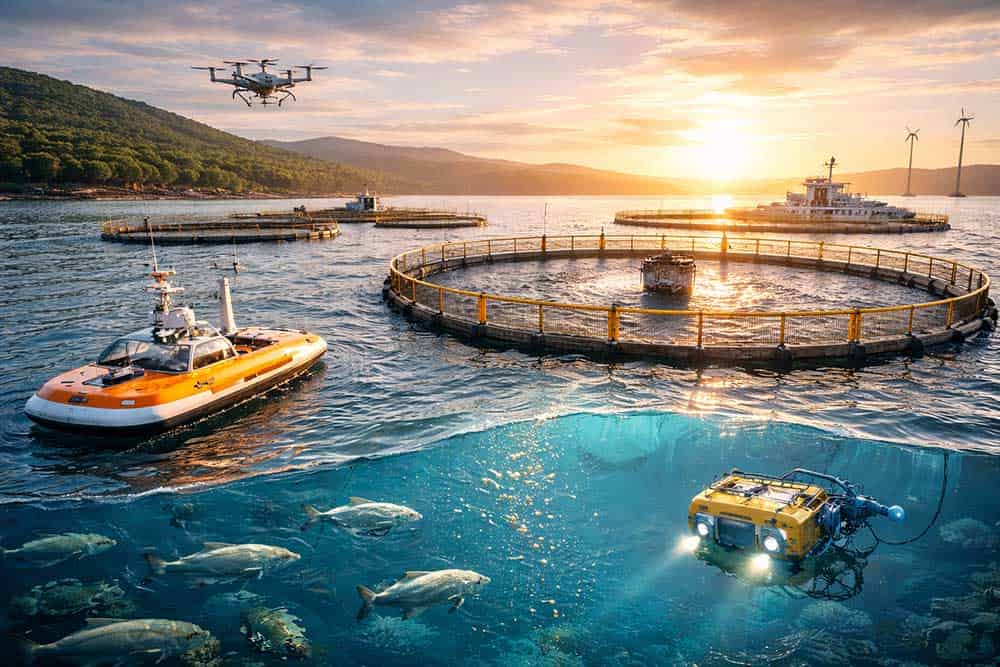
Technologies increasingly used in commercial aquaculture include:
- Remote Water Quality Monitoring Sensors
- Automated Feeding And Biomass Estimation Systems
- Artificial Intelligence-Driven Fish Health Analysis
- Satellite And Drone Surveillance Of Farming Areas
- Autonomous Underwater Vehicles For Cage Inspection
- Machine Learning Systems For Environmental Modelling
These technologies allow operators to respond quickly to changing environmental conditions, optimise feeding strategies and detect disease outbreaks earlier. As a result, aquaculture productivity and sustainability outcomes can improve significantly.
However, the deployment of these systems raises questions about regulatory oversight, operational accountability and data governance.
Licensing and operational approvals
Aquaculture activities in Australia are regulated primarily through state-based licensing systems. Operators must obtain aquaculture licences, leases or permits that authorise specific activities within defined geographic areas.
Licence conditions often regulate:
- Farm Location And Spatial Boundaries
- Stocking Densities
- Environmental Monitoring Requirements
- Infrastructure Design And Operation
- Reporting Obligations
Where new technologies alter the operational characteristics of an aquaculture facility, regulators may assess whether existing approvals remain adequate.
For example, the introduction of automated feeding systems or remotely operated infrastructure may trigger regulatory scrutiny where such systems change the scale or intensity of operations.
In some cases, operators may be required to:
- Amend Licence Conditions
- Update Environmental Management Plans
- Notify Regulators Of Technological Changes
Maintaining clear communication with regulatory authorities is therefore essential when introducing new technologies into aquaculture operations.
Environmental monitoring and compliance
Environmental monitoring is one of the most significant areas in which technology is transforming aquaculture.
Many licences require operators to monitor water quality parameters such as:
- Dissolved Oxygen Levels
- Temperature
- Salinity
- Nutrient Concentrations
Traditionally, monitoring involved periodic manual sampling. Modern sensor networks now enable continuous real-time monitoring, allowing operators to detect environmental changes immediately.
While this technology improves operational decision-making, it also raises legal questions regarding data reporting and compliance.
If continuous monitoring systems identify environmental conditions outside permitted thresholds, regulators may expect operators to respond immediately. Automated monitoring therefore increases transparency but may also heighten regulatory scrutiny.
Operators should ensure that monitoring systems are supported by:
- Documented Response Protocols
- Accurate Data Storage Systems
- Clear Reporting Procedures
These measures demonstrate that operators are actively managing environmental risks.
Automated feeding and fish welfare
Automated feeding systems are widely used in modern aquaculture. These systems analyse fish behaviour and biomass data to determine optimal feeding rates.
Automation improves feed efficiency and reduces waste, which can have significant environmental benefits. However, the use of automated systems also raises fish welfare considerations.
Regulators may assess whether automated systems:
- Maintain Appropriate Feeding Levels
- Minimise Stress On Farmed Fish
- Support Health Monitoring And Disease Management
Operators remain legally responsible for animal welfare outcomes even where feeding decisions are automated. As such, automated systems must be carefully calibrated and monitored.
In some jurisdictions, aquaculture codes of practice require operators to maintain human oversight of automated feeding infrastructure.
Data governance and ownership
Advanced aquaculture technologies generate vast quantities of operational data. Sensor networks, AI analytics platforms and monitoring systems collect information on water quality, fish behaviour and environmental conditions.
This raises important legal questions regarding:
- Ownership Of Operational Data
- Storage And Cybersecurity Obligations
- Access Rights For Regulators
- Confidentiality Of Commercially Sensitive Information
Some regulatory frameworks require operators to submit monitoring data as part of routine reporting obligations. At the same time, technology providers may retain contractual rights over certain datasets or analytics outputs.
Operators should carefully review technology agreements to ensure that data ownership and access rights are clearly defined.
Effective data governance is increasingly recognised as an essential component of regulatory compliance.
Remote monitoring and electronic reporting
Electronic reporting systems are becoming common in aquaculture and fisheries management.
Regulators increasingly require operators to submit:
- Production Data
- Mortality Records
- Environmental Monitoring Results
- Disease Notifications
Digital reporting platforms allow regulators to monitor aquaculture activities more efficiently and identify compliance issues more quickly.
While these systems improve regulatory oversight, they also increase administrative obligations for operators. Errors in digital reporting may trigger compliance investigations.
Operators should ensure that staff responsible for data entry and monitoring are trained in the use of digital reporting systems.
Autonomous systems and emerging technologies
One of the most significant technological developments in aquaculture is the emergence of autonomous systems.
These systems may include:
- Autonomous Underwater Vehicles Inspecting Nets And Cages
- Robotic Cleaning Systems Maintaining Aquaculture Infrastructure
- AI-Driven Monitoring Systems Analysing Fish Behaviour
- Automated Environmental Response Systems
Autonomous technologies can significantly reduce labour costs and improve operational efficiency. However, they also introduce new regulatory challenges.
Key legal questions include:
- Liability For System Malfunctions
- Safety Standards For Autonomous Equipment
- Regulatory Approval For Remote Or Automated Operations
- Environmental Risk Management
In many jurisdictions, regulatory frameworks have not yet fully addressed the use of autonomous systems in aquaculture. As a result, operators must rely on existing environmental and licensing frameworks to assess compliance.
Infrastructure and engineering standards
Technological innovation often requires new infrastructure within aquaculture facilities.
Examples include:
- Sensor Arrays Installed On Cages Or Ponds
- Underwater Robotics Docking Stations
- Automated Feeding Barges
- Drone Landing Platforms
These installations may trigger engineering or safety approval requirements.
Aquaculture operators should ensure that new infrastructure complies with:
- Marine Engineering Standards
- Workplace Health And Safety Regulations
- Navigation Safety Requirements
Where infrastructure is located within navigable waters, maritime authorities may also require approval.
Cybersecurity and system integrity
As aquaculture operations become increasingly digitised, cybersecurity risks must also be considered.
Operational systems connected to the internet may be vulnerable to:
- Unauthorised Access
- System Manipulation
- Data Breaches
A compromised monitoring or feeding system could potentially cause significant operational damage.
Operators should implement cybersecurity measures including:
- Secure Network Architecture
- Access Controls And Authentication Systems
- Regular System Audits
Cybersecurity is not only an operational concern but also a potential regulatory issue where system failures cause environmental harm.
Insurance and liability considerations
The introduction of advanced technology may affect insurance coverage for aquaculture operations.
Operators should review insurance policies to ensure coverage for:
- Equipment Failure
- Technology-Related Operational Losses
- Environmental Incidents Caused By Automated Systems
Some policies may exclude losses arising from software failures or cyber incidents.
Clear contractual arrangements with technology providers may also help allocate liability in the event of system malfunction.
Regulatory evolution and future reform
As aquaculture technology continues to evolve, regulatory frameworks will likely adapt.
Possible future regulatory developments include:
- Standards Governing Autonomous Aquaculture Systems
- Expanded Environmental Monitoring Requirements
- Mandatory Data Reporting Frameworks
- Certification Requirements For Automated Equipment
Industry collaboration with regulators will be essential to ensure that regulatory frameworks support innovation while maintaining environmental protection and operational safety.
Early engagement in policy development processes allows aquaculture operators to contribute practical insights into how technologies operate in real-world farming environments.
Strategic considerations for aquaculture operators
Aquaculture businesses adopting advanced technologies should consider several strategic steps.
These include:
- Reviewing Licence Conditions To Ensure Technological Compatibility
- Implementing Robust Data Management Systems
- Maintaining Human Oversight Of Automated Infrastructure
- Reviewing Insurance Coverage For Technology-Related Risks
- Engaging With Regulators When Introducing New Technologies
Technology can deliver significant productivity and sustainability benefits, but these advantages must be balanced with regulatory compliance and operational accountability.
Conclusion
Aquaculture technology is transforming how seafood is produced, monitored and managed. From real-time environmental monitoring to autonomous systems capable of performing complex operational tasks, innovation is reshaping the aquaculture industry.
However, technological progress also introduces new legal and regulatory considerations. Licensing regimes, environmental compliance obligations, data governance frameworks and emerging rules governing automated systems must all be carefully navigated.
For aquaculture operators, the challenge lies in integrating technological innovation while maintaining compliance with evolving regulatory frameworks. Those who proactively engage with regulators, adopt robust governance systems and invest in responsible technology deployment will be best positioned to thrive in the rapidly advancing aquaculture sector.