
Being charged with drink driving can be a stressful and confronting experience. In New South Wales, drink driving offences are treated seriously, with immediate licence suspensions, court proceedings, and potential criminal penalties. Understanding your legal position early can significantly improve your outcome and help you avoid costly mistakes.
This guide outlines the key steps to take if you are charged with a drink driving offence in NSW.
Understanding Drink Driving Offences in NSW
Drink driving offences are categorised based on blood alcohol concentration (BAC) levels and circumstances.
- Low Range PCA (0.05 – 0.079)
- Mid-Range PCA (0.08 – 0.149)
- High Range PCA (0.15 And Above)
- Special Range (For Learner, Provisional, And Certain Licence Holders)
- Refusal Or Failure To Provide A Breath Or Blood Sample
Each category carries different penalties, including fines, disqualification periods, and possible imprisonment.
Step 1: What Happens at the Roadside
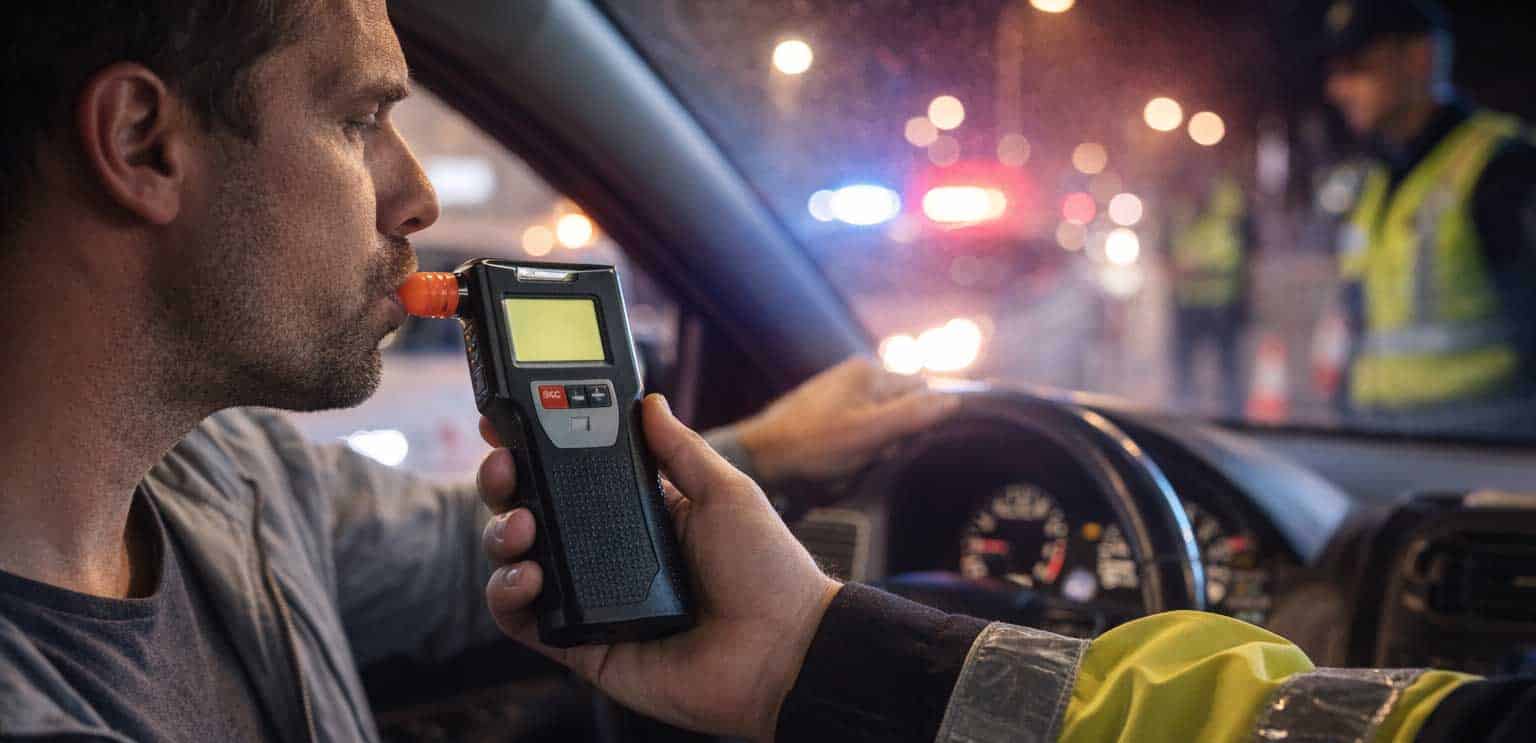
The process usually begins with a roadside breath test conducted by police.
- Police May Conduct Random Breath Testing (RBT) At Any Time
- If Alcohol Is Detected, You May Be Required To Undergo A Secondary Breath Analysis
- You May Be Taken To A Police Station Or Mobile Testing Unit
- Results From The Breath Analysis Are Used As Evidence In Court
- Refusing To Comply Is Itself A Serious Offence
Remaining calm and cooperative is important, but you should be aware of your rights.
Step 2: Immediate Licence Suspension
In many cases, your licence may be suspended on the spot.
- Immediate Suspension Applies To Mid-Range And High-Range Offences
- Police Issue A Notice Of Suspension At The Roadside Or Station
- You Cannot Drive From That Moment Onward
- Driving While Suspended Is A Separate Criminal Offence
- You May Have Limited Options To Appeal The Suspension
Understanding whether your suspension is appealable is critical.
Step 3: Receiving a Court Attendance Notice
Most drink driving offences require you to attend court.
- You Will Receive A Court Attendance Notice (CAN) Outlining The Charge
- The CAN Will Include Your Court Date And Location
- You Must Attend Court Unless Legally Excused
- Failure To Appear Can Result In Additional Penalties Or A Warrant
- Legal Advice Should Be Sought Before Your Court Date
Preparation before court can significantly affect the outcome.
Step 4: Understanding the Potential Penalties
Penalties depend on the type of offence and your prior record.
- Fines And Court Costs
- Licence Disqualification Periods
- Mandatory Interlock Orders (For Certain Offences)
- Criminal Conviction Recorded
- Possible Imprisonment For Serious Or Repeat Offences
The court has discretion within statutory limits, making legal representation important.
Step 5: The Importance of Early Legal Advice
Engaging a lawyer early can help you understand your options and prepare your case.
- Review Of Police Evidence And Procedures
- Identification Of Potential Defences Or Issues
- Advice On Likely Penalties And Outcomes
- Preparation Of Submissions To The Court
- Representation At Your Court Hearing
Early advice can help minimise penalties and avoid procedural errors.
Step 6: Preparing for Court
Proper preparation can influence the court’s decision.
- Entering An Early Guilty Plea (If Appropriate) May Reduce Penalties
- Gathering Character References From Employers Or Community Members
- Demonstrating Insight And Remorse
- Completing Relevant Courses (E.G. Traffic Offender Programs)
- Providing Evidence Of Hardship (E.G. Employment Impact)
Courts often consider personal circumstances when determining penalties.
Step 7: Possible Defences to Drink Driving Charges
In some cases, legal defences may be available.
- Incorrect Or Faulty Breath Testing Procedures
- Issues With Calibration Or Maintenance Of Equipment
- Lack Of Proper Police Procedure Or Evidence
- Honest And Reasonable Mistake (In Limited Circumstances)
- Medical Or Factual Disputes About BAC Readings
A lawyer can assess whether a defence is viable in your case.
Step 8: Licence Disqualification and Interlock Orders
Licence consequences are often the most significant impact.
- Disqualification Periods Vary Depending On Offence Category
- Some Offences Require Participation In An Alcohol Interlock Program
- Interlock Devices Prevent The Vehicle From Starting If Alcohol Is Detected
- Completion Of The Program Is Required Before Licence Reinstatement
- Additional Costs Are Associated With Interlock Participation
Understanding these requirements helps you plan for the future.
Step 9: Appealing a Licence Suspension
In certain cases, you may be able to appeal your suspension.
- Appeals Must Be Lodged Within Strict Timeframes
- The Local Court May Lift Or Vary The Suspension
- You Must Demonstrate A Need (E.G. Employment Hardship)
- Not All Offences Are Eligible For Appeal
- Legal Advice Is Strongly Recommended Before Appealing
Timing is critical, as missing deadlines may remove your rights.
Step 10: Long-Term Consequences
A drink driving conviction can have lasting impacts.
- Criminal Record Affecting Employment Opportunities
- Increased Insurance Premiums
- Travel Restrictions (Especially For International Travel)
- Impact On Professional Licences Or Registrations
- Ongoing Compliance Requirements (E.G. Interlock Program)
Taking the charge seriously from the outset can reduce long-term consequences.
Common Mistakes to Avoid
Many individuals unintentionally worsen their situation by making avoidable errors.
- Driving After Being Suspended
- Ignoring Court Notices Or Deadlines
- Failing To Seek Legal Advice Early
- Not Preparing Evidence Or References
- Assuming The Matter Is Minor Or Routine
Avoiding these mistakes can significantly improve your outcome.
How Aquarius Lawyers Can Help
Aquarius Lawyers provides practical and strategic advice for clients facing drink driving charges.
- Reviewing Evidence And Identifying Legal Issues
- Advising On Defences And Likely Outcomes
- Preparing Court Submissions And Supporting Documents
- Representing Clients In Local Court Proceedings
- Assisting With Licence Appeals And Interlock Matters
Our focus is on achieving the best possible outcome while minimising disruption to your life.
Conclusion
A drink driving charge in NSW is a serious matter with immediate and long-term consequences. However, with the right legal guidance and preparation, it is possible to navigate the process effectively and minimise the impact.
- Act Quickly After Being Charged
- Understand Your Rights And Obligations
- Seek Legal Advice Early
- Prepare Thoroughly For Court
- Take Steps To Demonstrate Responsibility And Compliance
Early action and informed decision-making are key to achieving the best possible result.