
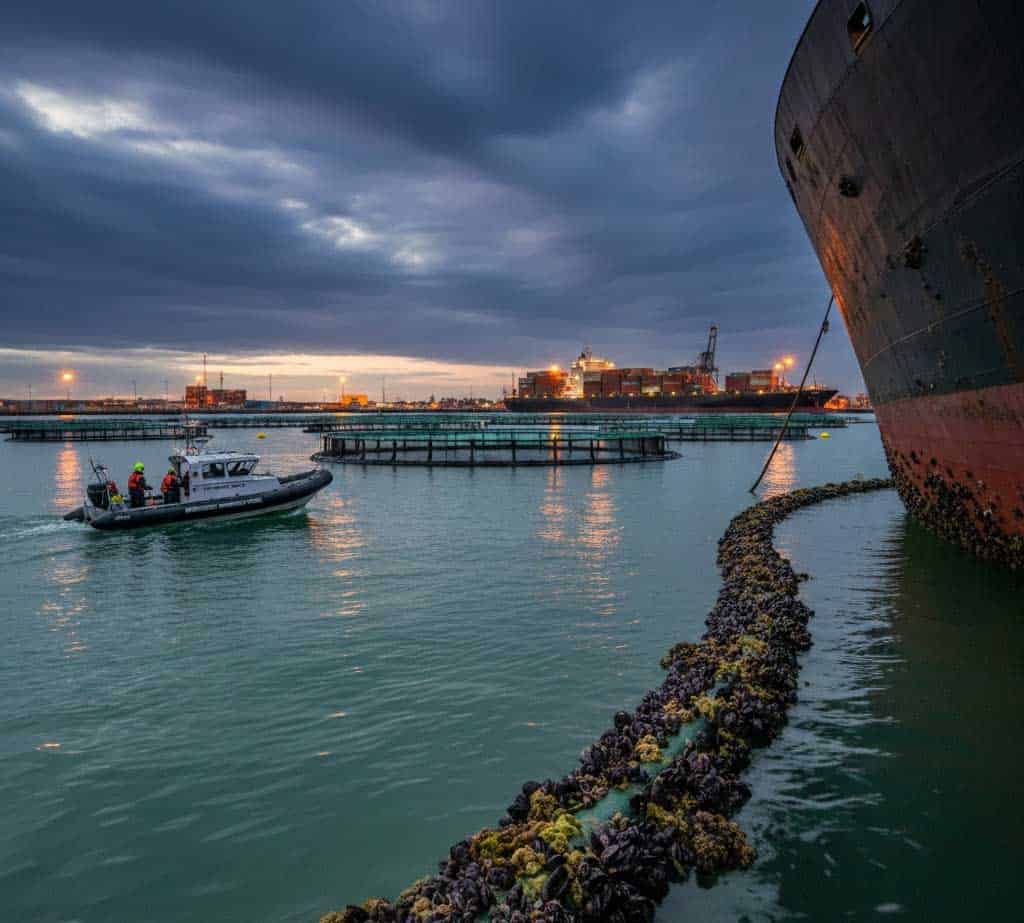
Invasive marine species are no longer a hypothetical risk for Australia’s seafood, aquaculture and commercial fishing sectors—they are an operational, legal and reputational reality. As ocean temperatures rise, shipping traffic intensifies, and coastal infrastructure expands, the pathways for marine pests to arrive, establish and spread are increasing. When incursions occur, biosecurity law becomes the front line: determining who must act, how quickly, at whose cost, and with what consequences if controls fail. This article examines how biosecurity law is being tested by recent and emerging marine incursions, where regulatory gaps are appearing, and what operators should understand about liability, compliance and future policy direction.
1) Why invasive marine species are now a central legal issue
Marine biosecurity has shifted from a niche environmental concern to a core business risk for seafood and aquaculture operators.
- Drivers behind the increased risk
- Warmer waters expanding the survivability range of non-native species
- Increased international and domestic vessel movements
- Coastal development creating new artificial habitats
- Climate-stressed ecosystems becoming more vulnerable to invasion
- Why this matters legally
- Biosecurity risks are increasingly foreseeable rather than exceptional
- Regulators expect active prevention and early detection
- Failure to act can trigger enforcement, licence impacts and reputational damage
2) Australia’s marine biosecurity framework: layered and complex
Marine biosecurity regulation in Australia operates across Commonwealth, state and territory regimes, with overlapping responsibilities and differing triggers.
- Key elements of the framework
- Commonwealth biosecurity law governing international arrivals and national response coordination
- State and territory biosecurity, fisheries and environmental laws addressing local detection and management
- Port, ballast water and hull fouling controls
- Environmental protection and pollution laws where impacts extend beyond pests themselves
- Practical implications for operators
- Obligations may arise under multiple laws at once
- Responsibility is not always limited to the party that “introduced” the species
- Confusion over jurisdiction does not excuse non-compliance
3) From prevention to response: how the legal focus has shifted
Historically, biosecurity law emphasised border control and prevention; today, the legal pressure point is often response and containment after detection.
- Prevention-stage expectations
- Compliance with vessel biofouling and ballast water requirements
- Clean infrastructure and equipment protocols
- Supplier and contractor biosecurity controls
- Post-detection legal focus
- Mandatory reporting of suspect or confirmed incursions
- Cooperation with regulators and emergency response teams
- Containment, eradication or control measures—even where success is uncertain
- Key legal reality
- Once a pest is detected, speed and transparency matter as much as fault
4) Reporting obligations: when silence becomes a breach
One of the most common compliance failures in marine biosecurity is delayed or incomplete reporting.
- Typical reporting triggers
- Detection of a suspected or confirmed invasive species
- Unusual mortality or ecological changes suggesting a pest presence
- Discovery of biofouling or contamination beyond acceptable limits
- Legal risks of delayed reporting
- Breach of statutory notification duties
- Escalation of enforcement responses
- Increased liability where delay worsens spread or impacts
- Good practice signals regulators look for
- Clear internal reporting pathways
- Staff training to recognise and escalate risks
- Written records of detection and notification timelines
5) Who is responsible when an invasive species spreads?
Liability in marine biosecurity is rarely straightforward and often extends beyond the original source.
- Parties who may face obligations or scrutiny
- Vessel owners and operators
- Aquaculture licence holders
- Port authorities and infrastructure operators
- Contractors and service providers
- In some cases, adjacent operators affected by or contributing to spread
- How responsibility is assessed
- Control over the risk pathway
- Knowledge (actual or constructive) of the biosecurity risk
- Reasonableness of preventative and response measures
- Compliance with licence conditions and industry standards
- Important legal nuance
- You do not need to have “caused” the incursion to have response obligations
6) Enforcement tools regulators can use
Biosecurity regulators have a broad and increasingly assertive enforcement toolkit.
- Common enforcement mechanisms
- Directions and control orders requiring specific actions
- Movement restrictions on vessels, stock or equipment
- Suspension or variation of licences and permits
- Infringement notices or civil penalties
- Prosecution for serious or repeated breaches
- Emerging enforcement trends
- Greater use of enforceable undertakings focused on system improvements
- Increased coordination between biosecurity and environmental regulators
- Stronger expectations for operator-funded response actions
7) Cost recovery and the “who pays?” problem
One of the most contentious aspects of marine biosecurity law is cost allocation.
- Potential costs following an incursion
- Surveillance and monitoring
- Removal or treatment of stock and infrastructure
- Vessel cleaning and decontamination
- Operational shutdowns or restrictions
- Long-term management where eradication is not feasible
- How cost responsibility is determined
- Statutory cost-recovery powers
- Licence conditions and approval requirements
- Contractual risk allocation between parties
- In some cases, shared or industry-wide funding models
- Practical risk for operators
- Even compliant businesses can face significant unfunded costs
8) Intersections with environmental and fisheries law
Invasive species incidents rarely sit neatly within biosecurity law alone.
- Common legal overlaps
- Environmental harm or pollution provisions where ecosystems are affected
- Fisheries management controls to protect native stocks
- Marine park and protected species laws
- Animal welfare obligations in aquaculture contexts
- Why this matters
- A single incident can trigger multiple investigations
- Penalties and conditions can accumulate across regimes
- Compliance strategies must address the whole legal landscape, not one statute
9) Biosecurity and climate change: raising the standard of care
Climate change is reshaping how regulators and courts assess what is “reasonable”.
- Climate-related factors influencing biosecurity expectations
- Higher likelihood of establishment and spread
- Longer seasonal windows for survival
- Increased stress on native species and habitats
- Legal consequence
- Operators are expected to adapt controls as risk profiles change
- Reliance on outdated risk assessments can undermine defences
- Repeat incursions in similar conditions are harder to justify
10) Contracts, insurance and commercial exposure
Biosecurity risk does not stop at regulatory compliance—it flows through commercial arrangements.
- Contractual issues to review
- Biosecurity warranties and indemnities
- Allocation of response and shutdown costs
- Termination rights following regulatory action
- Obligations to share data and cooperate with authorities
- Insurance considerations
- Coverage exclusions for biosecurity or environmental events
- Conditions precedent tied to compliance and notification
- Gaps between regulatory obligations and insured losses
11) What “good” biosecurity governance looks like now
Strong governance is increasingly the best defence against enforcement and liability.
- Core elements of effective biosecurity governance
- Up-to-date risk assessments reflecting climate and operational changes
- Clear biosecurity management plans integrated into daily operations
- Training programs for staff and contractors
- Regular audits and continuous improvement processes
- Documentation matters
- Regulators place significant weight on records
- Decisions, inspections and responses should be traceable and auditable
12) Policy directions to watch
Marine biosecurity law is likely to continue evolving as incursions become more frequent.
- Likely policy developments
-
- Stronger national coordination on marine pest response
- Expanded biofouling and domestic vessel controls
- Increased use of regional and industry-based management approaches
- Greater alignment between biosecurity, climate adaptation and ocean planning policies
- What this means for industry
- Higher baseline compliance expectations
- Less tolerance for reactive or ad hoc approaches
- More emphasis on shared responsibility and transparency
13) Practical steps operators can take now
Preparation and early action remain the most effective legal risk management tools.
- Immediate actions
- Review biosecurity obligations across all relevant licences and approvals
- Update reporting protocols and staff training
- Audit vessel, equipment and infrastructure biosecurity controls
- Medium-term actions
- Revisit contracts and insurance for biosecurity risk allocation
- Engage with regulators and industry bodies on emerging threats
- Incorporate biosecurity into climate resilience and ESG planning
Conclusion
The spread of invasive marine species is testing Australia’s biosecurity laws in real time. For seafood, aquaculture and fishing businesses, the legal landscape is moving toward earlier intervention, broader responsibility and stronger enforcement. The operators best positioned to manage this shift are those who treat biosecurity as a core governance issue—integrated with climate risk, environmental compliance and commercial decision-making—rather than as a narrow regulatory checkbox.