
3 Jun 2026 | Seafood, Fisheries & Marine
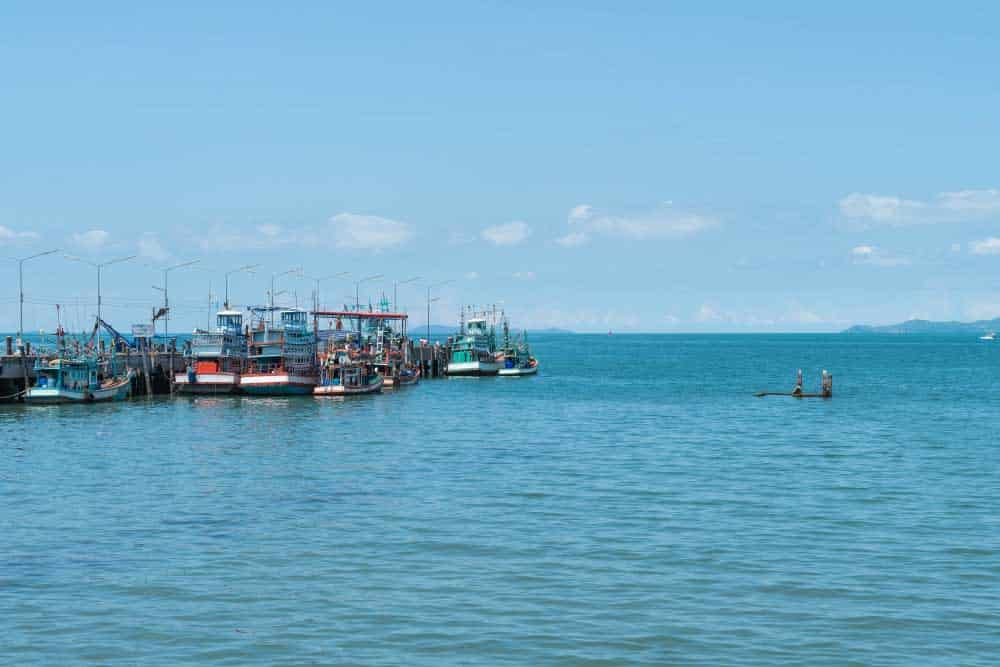
A single oversight on the water shouldn’t sink a multi-generational business, yet the “strict liability” nature of Australian maritime law means your intent often matters less than the data on a fisheries officer’s tablet. When you’re...
2 Jun 2026 | Seafood, Fisheries & Marine
Climate change is increasingly reshaping the legal and regulatory landscape for businesses across all industries. For the seafood sector, which is intrinsically linked to ocean health and environmental stability, climate risk is not only an operational challenge but...

1 Jun 2026 | Seafood, Fisheries & Marine
Your commercial fishing licence is far more than a regulatory requirement. It’s the multi-generational foundation of your livelihood that currently faces unprecedented pressure from every coastline. You likely feel that the gap between a successful haul and a...

31 May 2026 | Seafood, Fisheries & Marine
Did you know that while NSW consumers currently import 87% of their seafood, the state government has set a bold target to grow the local industry to $300 million by 2030? Securing an aquaculture licence nsw is the essential first step to capturing this market gap,...
30 May 2026 | Seafood, Fisheries & Marine
On 1 January 2026, the deck under the Australian commercial fishing industry shifted permanently. It’s no longer just about managing a resource; it’s about legal survival in a landscape defined by 50% quota cuts and total bioregion closures. You’ve...

27 May 2026 | Seafood, Fisheries & Marine
A single administrative oversight regarding your commercial quota or a misunderstanding of the mandatory electronic monitoring rules starting in July 2026 can ground your fleet indefinitely. With the Australian seafood market projected to reach $8.66 billion by 2035,...