
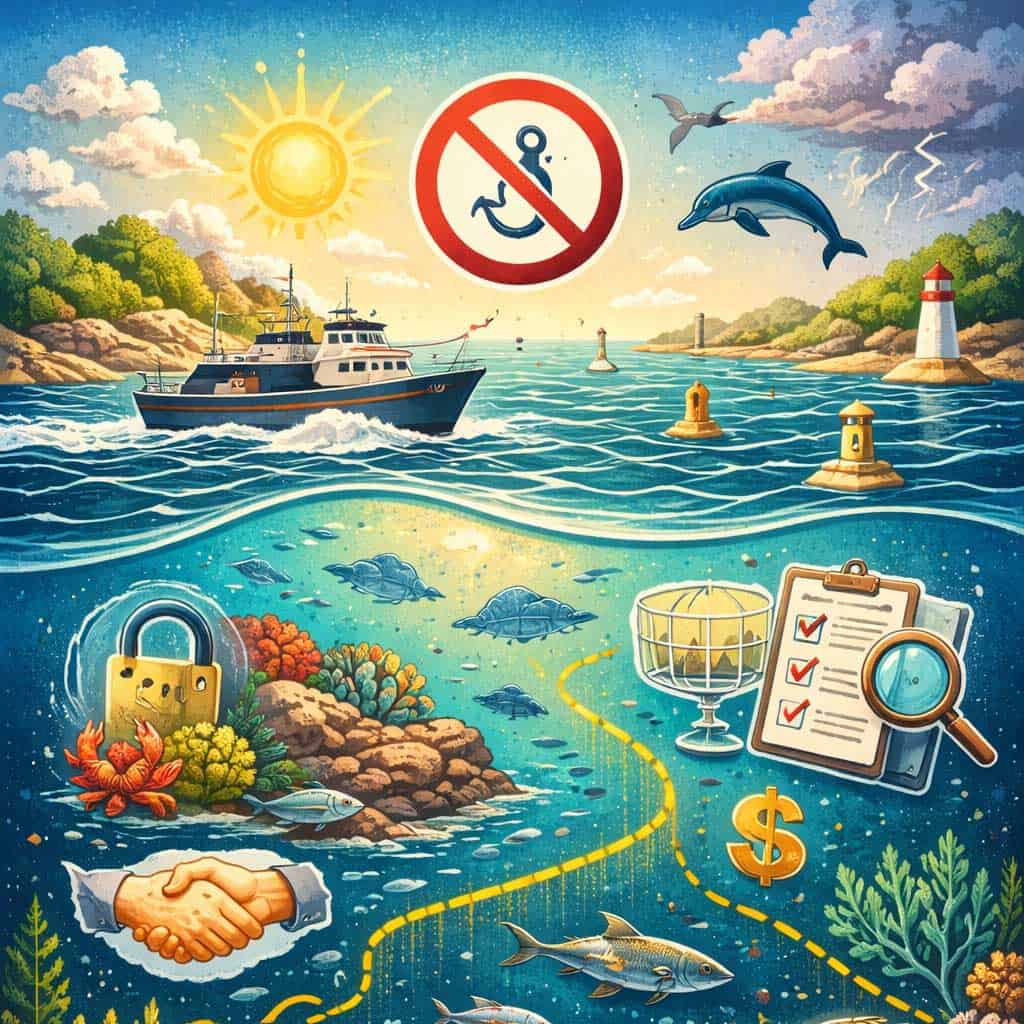
Australia’s aquaculture sector has matured into one of the most sophisticated and export-oriented segments of the agribusiness economy. Premium salmon, tuna, oysters, prawns and emerging species continue to attract strong domestic and international demand. Yet alongside growth comes increasing regulatory complexity.
Environmental, Social and Governance (ESG) reporting is no longer a voluntary branding exercise. It is rapidly becoming embedded within corporate law, financial disclosure regimes, export market access conditions and supply chain requirements. Beyond 2026, aquaculture businesses — particularly those integrated into national and global supply chains — will face intensified scrutiny over environmental performance, climate resilience, labour practices and governance systems.
For aquaculture operators, boards and investors, the question is no longer whether ESG obligations will affect operations, but how deeply and how soon.
The Shift from Voluntary Sustainability to Legal Obligation
Historically, sustainability reporting in aquaculture was market-driven. Certification schemes such as ASC and MSC, retailer procurement policies and investor preferences encouraged environmental transparency. Participation was often commercially advantageous but not strictly mandatory.
That landscape is shifting. ESG is increasingly embedded within:
- Corporate reporting obligations
- Climate-related financial disclosure regimes
- Modern slavery legislation
- Environmental protection statutes
- Export accreditation frameworks
- Financial lending covenants
The convergence of these drivers means that aquaculture operators must treat ESG as a compliance function rather than a marketing initiative.
Climate-Related Financial Disclosure: A Structural Change
One of the most significant developments shaping ESG obligations is the introduction of mandatory climate-related financial disclosure frameworks in Australia, aligned with international standards such as those developed by the International Sustainability Standards Board (ISSB).
These regimes require qualifying entities to disclose:
- Governance structures overseeing climate risk
- Identified climate-related risks and opportunities
- Scenario analysis and resilience planning
- Emissions data (Scope 1, 2 and in some cases Scope 3)
- Risk management frameworks
For aquaculture businesses, climate exposure is not abstract. It includes:
- Marine heatwaves
- Ocean acidification
- Extreme weather events
- Biosecurity outbreaks
- Supply chain disruption
Boards will increasingly be expected to demonstrate that climate risks are actively identified, assessed and integrated into corporate strategy. Failure to do so may expose directors to regulatory scrutiny and shareholder claims.
Environmental Regulation and Cumulative Impact Scrutiny
Aquaculture operations are already subject to rigorous environmental licensing frameworks at both Commonwealth and State levels. However, ESG reporting intensifies transparency obligations.
Regulators and communities are increasingly focused on:
- Nutrient discharge and water quality impacts
- Marine ecosystem effects
- Benthic monitoring data
- Antibiotic and chemical usage
- Waste management systems
Beyond 2026, environmental approvals are likely to incorporate stronger adaptive management requirements, particularly where climate change compounds ecological vulnerability.
Operators should anticipate:
- Expanded reporting conditions within licences
- Greater public accessibility of environmental performance data
- More frequent compliance audits
- Heightened enforcement risk for non-compliance
Transparency is becoming both a regulatory requirement and a reputational necessity.
Social Licence and Community Expectations
The “S” in ESG — social — is increasingly influential in aquaculture approvals and expansion proposals.
Community opposition to marine farming developments often centres on:
- Visual and coastal amenity impacts
- Perceived ecological harm
- Indigenous cultural heritage concerns
- Employment practices
- Regional economic contribution
While some of these considerations fall outside strict legislative criteria, decision-makers are increasingly attentive to broader social factors when granting or reviewing approvals.
In addition, modern slavery reporting obligations under Australian law require certain entities to assess and disclose risks within their supply chains. Aquaculture businesses sourcing feed ingredients, equipment or offshore processing services must conduct due diligence to ensure compliance.
Failure to properly address social risk can affect:
- Investment attractiveness
- Export relationships
- Retail partnerships
- Regulatory approvals
Social licence is now intertwined with legal compliance.
Governance Expectations and Director Duties
ESG integration is fundamentally a governance issue. Directors owe statutory and fiduciary duties to act with care and diligence and in the best interests of the company.
As climate and sustainability risks become foreseeable and quantifiable, boards that fail to consider them may face increasing exposure.
Governance expectations now include:
- Formal ESG oversight at board level
- Clear allocation of responsibility
- Documented risk management processes
- Internal audit mechanisms
- Transparent reporting controls
Regulators such as ASIC have signalled increasing scrutiny of greenwashing — the misrepresentation of environmental credentials. Aquaculture businesses making sustainability claims must ensure that representations are evidence-based and verifiable.
Inaccurate ESG disclosures may expose companies to:
- Regulatory penalties
- Shareholder litigation
- Consumer law claims
- Contractual disputes
Governance frameworks must therefore align operational practice with public reporting.
Export Market Pressures and Trade Law Interaction
Australian aquaculture is heavily export-oriented. International markets are embedding ESG standards within trade frameworks and procurement policies.
The European Union, for example, is expanding sustainability-related regulatory instruments affecting imported goods. While seafood is not yet uniformly captured by carbon border adjustment mechanisms, environmental traceability and due diligence regimes are intensifying.
Export buyers increasingly require:
- Carbon footprint data
- Sustainable feed certification
- Evidence of ecosystem impact mitigation
- Labour standards verification
Failure to meet these standards may result in commercial exclusion, even where domestic law is technically satisfied.
For aquaculture operators seeking to diversify export markets beyond 2026, ESG compliance will likely function as a market access prerequisite.
Financing and Investment Conditionality
Financial institutions are embedding ESG criteria within lending and investment decisions. Aquaculture projects seeking capital may encounter:
- Sustainability-linked loan conditions
- Emissions reduction performance targets
- Environmental compliance covenants
- Disclosure requirements tied to financing
Investors are increasingly assessing long-term climate resilience of aquaculture sites, including exposure to warming waters and storm events.
Projects that fail to demonstrate credible adaptation planning may face higher capital costs or reduced access to funding.
In this way, ESG compliance becomes economically determinative.
Data, Traceability and Digital Reporting
Modern ESG compliance depends on data integrity.
Aquaculture operators must increasingly collect, verify and report:
- Emissions metrics
- Feed conversion ratios
- Antibiotic usage
- Mortality rates
- Waste discharge measurements
- Energy consumption
Digital traceability systems are becoming integral to demonstrating compliance. Manual or fragmented reporting processes create risk of inconsistency and error.
Investment in robust data management systems will likely be necessary to satisfy future reporting standards and audit requirements.
Biosecurity and Climate Intersection
Climate change intensifies biosecurity risk in aquaculture. Warmer waters may increase pathogen proliferation and harmful algal bloom frequency.
ESG reporting frameworks increasingly require disclosure of material operational risks, including disease exposure and mitigation strategies.
Regulators may also strengthen biosecurity obligations in response to climate-driven vulnerability.
Operators should integrate:
- Enhanced monitoring systems
- Contingency planning
- Infrastructure resilience upgrades
- Insurance review
into broader ESG risk management strategies.
Preparing for Regulatory Reform Beyond 2026
Several reform trajectories are likely to shape aquaculture ESG obligations in coming years:
- Expansion of mandatory sustainability reporting thresholds.
- Greater alignment with international disclosure standards.
- Increased enforcement against misleading sustainability claims.
- Integration of biodiversity impact metrics into reporting frameworks.
- More prescriptive climate adaptation disclosure requirements.
Businesses that proactively align governance, operational and reporting systems with emerging standards will be better positioned than those reacting to regulatory compulsion.
Practical Steps for Aquaculture Operators
Aquaculture businesses should consider taking the following steps:
Conduct an ESG Gap Analysis
Identify where current reporting and operational practices fall short of anticipated regulatory standards.
Strengthen Board Oversight
Ensure ESG risk appears formally on board agendas and is supported by documented governance structures.
Integrate Climate Scenario Planning
Undertake climate resilience modelling relevant to specific geographic sites.
Enhance Data Systems
Invest in digital monitoring and reporting capabilities.
Review Public Statements
Audit marketing and sustainability claims for accuracy and evidentiary support.
Engage with Stakeholders
Maintain proactive communication with regulators, investors and communities.
Seek Legal Guidance
Early legal advice can assist in aligning operational practice with evolving regulatory expectations.
Conclusion
ESG reporting and sustainable aquaculture are converging into a legally driven compliance environment extending well beyond voluntary certification.
Beyond 2026, aquaculture operators will likely face heightened climate disclosure obligations, stronger environmental scrutiny, expanded social risk reporting and intensified governance accountability.
For the industry, this represents both challenge and opportunity. Businesses that embed ESG principles into core strategy — rather than treating them as peripheral reporting exercises — may secure stronger investor confidence, enhanced export access and greater regulatory stability.
For Aquarius Lawyers’ clients across aquaculture, fisheries and seafood enterprises, the message is clear: ESG is no longer an optional overlay. It is becoming integral to operational legitimacy, financial resilience and long-term access to markets.
Proactive adaptation today will shape commercial viability tomorrow.