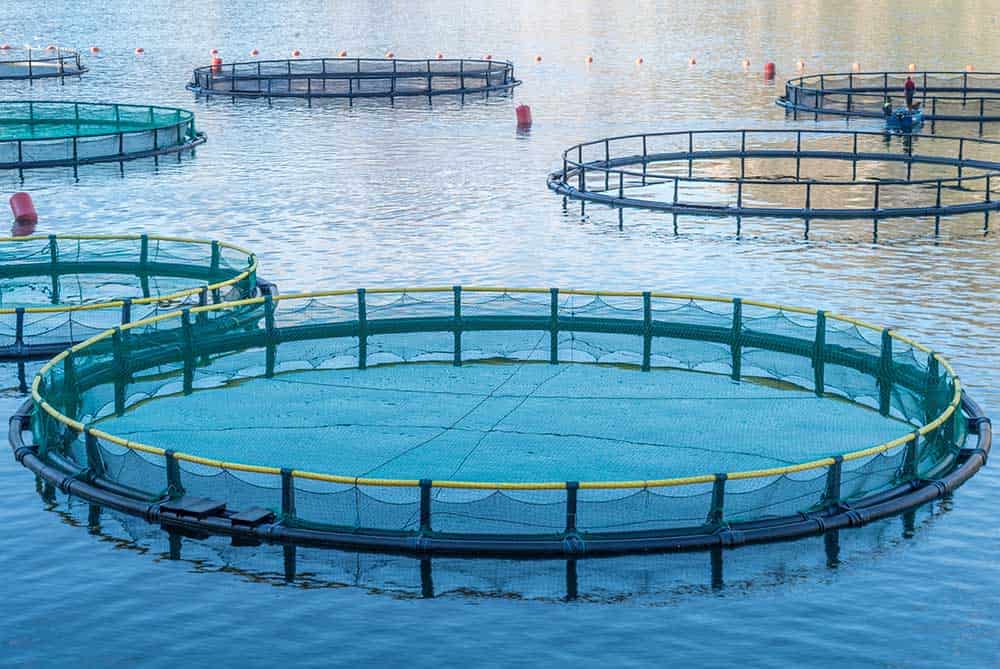
Offshore aquaculture is emerging as a major growth frontier for Australia’s seafood sector, driven by increasing coastal constraints, stronger environmental sustainability goals, and rising international demand. Moving farms further offshore offers deeper waters, improved biosecurity buffers and reduced user conflict—but it also introduces a complex legal landscape. Exporters, investors and operators must navigate unfamiliar regulatory systems, multi-jurisdictional approvals and novel compliance challenges as Australia gradually shifts toward ocean-based aquaculture expansion.
Understanding the Regulatory Landscape
Offshore aquaculture sits at the intersection of state, territory and Commonwealth laws, creating an intricate and evolving regulatory framework.
- Jurisdictional boundaries become less clear the further farms move offshore
- State aquaculture licences may not apply beyond defined coastal zones
- Commonwealth marine legislation may govern areas beyond 3–12 nautical miles
- Limited existing legal precedents for commercial-scale offshore aquaculture
- Emerging policy reforms signalling a more defined offshore framework in future
Environmental Assessment and Approval Requirements
Operating offshore increases environmental approval obligations, particularly under federal law where marine ecosystems are more regulated.
- EPBC Act approvals may be triggered by environmental impacts
- Marine park zones and protected species considerations require assessment
- Water-quality modelling and hydrodynamic studies often mandatory
- High scrutiny of benthic impact risks, nutrient dispersal and habitat effects
- More complex baseline monitoring compared with coastal aquaculture sites
Native Title and Sea-Country Considerations
Offshore aquaculture can interact with areas of cultural and historical significance, making early engagement with Traditional Owners essential.
- Offshore boundaries may overlap with recognised sea-country rights
- Cultural heritage laws apply even where native title is not formally determined
- Co-management models emerging as preferred frameworks in some jurisdictions
- Failure to engage can delay approvals and create later operational conflict
- Indigenous participation supports social licence and stronger governance outcomes
Maritime Operations, Navigation and Safety Obligations
Offshore farms must comply with maritime laws governing equipment placement, navigation hazards and operational safety.
- Navigation Act requirements for offshore structures
- Obligations to ensure visibility, lighting, signage and mapping of farm areas
- Interaction risks with shipping lanes, commercial vessels and recreational traffic
- Workplace health and safety duties for crews operating in harsher offshore conditions
- Liability exposure for collisions, debris, entanglement or marker failures
Biosecurity and Monitoring Compliance
Farming further offshore does not remove biosecurity obligations—indeed, some risks increase due to changes in water flow and environmental exposure.
- Fisheries and aquaculture biosecurity standards still fully apply offshore
- Disease monitoring programs may require expanded offshore sampling
- Escape risks require new containment standards and response plans
- More frequent remote surveillance, ROV inspections and data reporting
- Biosecurity breaches offshore can trigger both state and Commonwealth investigation
Commercial Structures and Tenure Models
Because Australia lacks a dedicated offshore aquaculture tenure system, operators must rely on a patchwork of existing legal mechanisms.
- Possible use of Commonwealth leases, licences or custom approvals
- Hybrid tenure models combining state licences with federal permits
- Requirement for contracts clearly defining operational rights and obligations
- Insurance complexities due to harsher offshore environments
- Need for long-term certainty to attract investment and infrastructure funding
Strategic Considerations for Businesses Entering Offshore Aquaculture
Businesses must proactively plan for the legal, technical and operational challenges that come with moving farms beyond the coastal zone.
- Conduct regulatory mapping early to determine applicable laws
- Engage Traditional Owners and regulators before formal applications
- Build robust environmental baseline data before site selection
- Strengthen insurance, risk-management and maritime safety plans
- Ensure contracts cover offshore-specific liabilities and monitoring requirements
- Monitor emerging legislation to adapt operations as offshore laws evolve
Conclusion
Offshore aquaculture represents one of Australia’s most significant future growth opportunities, offering expanded production, improved biosecurity buffers and access to deeper waters. But with opportunity comes legal complexity, and operators must be prepared for multi-layered approvals, strict environmental obligations and greater operational risk. By understanding the regulatory framework and investing early in compliance, businesses can position themselves as leaders in the next evolution of Australia’s blue economy.