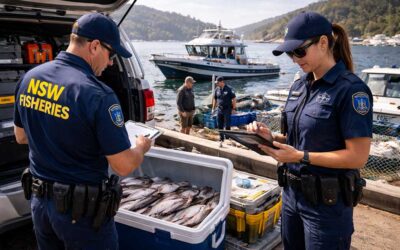

Seafood fraud has emerged as a significant legal, commercial and regulatory issue as global supply chains expand and consumer demand for sustainable, traceable seafood increases. For Australian fisheries, aquaculture operators and exporters, ensuring the authenticity and integrity of seafood products is essential not only for market access but also for compliance with domestic and international laws. This article outlines the forms of seafood fraud, the legal risks that arise, the traceability systems that support compliance and the steps businesses must take to mitigate exposure in complex global markets.
Understanding Seafood Fraud
Seafood fraud involves the intentional misrepresentation of seafood products at any point in the supply chain, often motivated by financial gain.
- Mislabelled species are one of the most common forms, including substituting premium species with cheaper alternatives
- Origin fraud misrepresents the geographic source of seafood, including falsely claiming Australian provenance
- Weight and quality fraud involves adding water, additives or misrepresenting freshness and handling practices
- Illegal, unreported and unregulated (IUU) catch may enter legitimate supply chains when documentation is falsified
- Supply-chain substitution can occur during processing, packaging or distribution when rigorous checks are not in place.
Legal and Regulatory Frameworks That Address Seafood Fraud
Seafood fraud engages a range of regulatory obligations across consumer protection, food safety, fisheries management and trade law.
Australian Consumer Law prohibits misleading and deceptive conduct in marketing and product labelling
- Food Standards Australia New Zealand (FSANZ) requires accurate labelling, species identification and allergen disclosure
- Fisheries management legislation imposes traceability requirements for quota, catch documentation and transport
- International trade agreements and importing country requirements demand verified origin and compliance certificates
- Customs and biosecurity rules penalise undeclared, misdeclared or non-compliant seafood imports and exports
- Marine Stewardship Council (MSC) and other certification frameworks impose strict chain-of-custody standards.
Why Seafood Fraud Matters in Global Supply Chains
The consequences of fraud reach well beyond economic loss, affecting public health, environmental sustainability and brand reputation.
- Fraud undermines consumer trust and erodes confidence in the seafood industry
- It threatens the sustainability of fish stocks by masking illegal or overfished species
- Health risks arise when allergens or harmful species are misrepresented
- Legitimate operators face economic damage from unfair competition and devaluation of premium products
- Importing countries may impose sanctions, bans or increased compliance scrutiny on high-risk exporters.
Traceability as a Tool for Managing Legal Risk
Traceability systems provide the backbone of fraud prevention and legal compliance in global seafood supply chains.
- Traceability enables tracking of seafood from harvest to retail, providing evidence of origin, species and handling
- Digital traceability systems use barcodes, QR codes, blockchain and data platforms to verify supply-chain movements
- Chain-of-custody documentation ensures continuity and authenticity of certified products
- Electronic catch documentation schemes are increasingly mandatory for export into major markets
- Real-time monitoring tools support better compliance with quotas, bycatch rules and vessel activity reporting.
Drivers of Traceability Requirements in International Markets
Global market access increasingly depends on transparent and verifiable supply chains.
- The EU’s IUU Regulation requires robust documentation to demonstrate catch legality
- The United States Seafood Import Monitoring Program (SIMP) mandates species-specific traceability for high-risk imports
- Asian markets, including China, Japan and Singapore, are strengthening country-of-origin validation and product labelling
- Retailers and food-service companies demand traceability as part of ESG and sustainability commitments
- Certification bodies require end-to-end chain-of-custody compliance for eco-labelled products
Risks for Australian Seafood Exporters
Australia’s strong reputation for sustainability and quality also means exporters face heightened scrutiny from regulators and buyers.
- Incomplete documentation can result in rejected consignments, delays or financial penalties
- Supply-chain partners may fail to maintain consistent standards, creating downstream risk
- Misdescription of aquaculture versus wild-caught origin can trigger compliance breaches
- Exporters may be liable for third-party misrepresentation if systems do not detect substitution or dilution
- Breaches can undermine brand value and jeopardise access to premium markets
Contractual and Commercial Protections
Well-drafted contracts with suppliers, processors and distributors are critical to safeguarding against fraud-related risks.
- Contracts should include warranties about species accuracy, legal catch and processing standards
- Audit rights allow businesses to verify compliance at processing facilities or distribution points
- Indemnities can allocate financial liability for mislabelling, substitution or regulatory breaches
- Quality specifications must be detailed and measurable to avoid ambiguity
- Termination rights should apply if fraudulent conduct or significant compliance lapses occur
Technology Solutions Supporting Traceability and Compliance
Rapid innovation in traceability technologies is improving fraud detection and supply-chain transparency.
- DNA species testing can be used to verify high-value products or audit supply chains
- Blockchain platforms provide tamper-resistant records of catch, handling and transport
- Vessel monitoring systems offer real-time fishing location data to verify legal catch
- Artificial intelligence tools can analyse export data, vessel movements and market anomalies to identify fraud risks
- Integrated ERP systems help businesses maintain complete audit trails and compliance records
Due Diligence Responsibilities for Seafood Businesses
Seafood companies must adopt proactive governance and risk-management practices to reduce exposure to fraud.
- Conduct risk assessments across all stages of the supply chain, including harvest, processing and international logistics
- Verify the legitimacy and compliance history of suppliers and contract processors
- Regularly audit documentation, species identification and chain-of-custody data
- Train staff in compliance, labelling accuracy and fraud-prevention measures
- Develop crisis-response plans to manage incidents, recalls and public communications
Enforcement and Penalties for Seafood Fraud
Regulators in Australia and internationally are increasing enforcement activity in response to documented fraud cases.
- Significant fines apply for misleading or deceptive conduct, mislabelling or false documentation
- Criminal penalties may be imposed for intentional fraud, IUU fishing or biosecurity breaches
- Export licences can be suspended or cancelled following serious non-compliance
- Businesses may lose access to certification schemes if chain-of-custody requirements are breached
- Civil litigation may arise from commercial partners or consumers affected by fraudulent conduct
Industry Collaboration and Best Practice Standards
Combatting seafood fraud requires coordinated efforts across government, industry, certification bodies and supply-chain partners.
- Industry codes of practice promote consistent standards for labelling, handling and documentation
- Collaborative monitoring programs can identify high-risk species and supply-chain segments
- Shared databases and reporting systems improve fraud detection at national and international levels
- Engagement with Indigenous fisheries and Traditional Owners enhances cultural and ecological stewardship of species
- Transparent communication with consumers supports trust and market differentiation
Strengthening Traceability for Aquaculture Producers
Aquaculture producers have unique traceability responsibilities, particularly in global export markets.
- Hatchery-to-harvest tracking must record feed inputs, stock movements and treatments
- Water-quality monitoring and environmental records may be required for certification or market access
- Animal-welfare documentation increasingly forms part of supply-chain assurance frameworks
- Integrated traceability systems reduce the risk of cross-contamination or species substitution during processing
- Aquaculture businesses must align traceability systems with national reporting requirements and export permits
Future Trends in Seafood Traceability and Fraud Prevention
As global demand for traceable seafood grows, regulatory frameworks and technologies will continue to evolve.
- Greater use of AI and predictive analytics will improve detection of anomalies in supply-chain data
- Increased global harmonisation of catch documentation and traceability rules is likely
- Consumer-facing transparency tools, such as QR-code provenance systems, will become standard
- Environmental, social and governance (ESG) reporting will drive deeper traceability obligations
- Governments may mandate DNA testing for high-value or high-risk species
Conclusion
Seafood fraud presents significant legal, commercial and reputational risks for fisheries, aquaculture operators and seafood exporters engaged in global markets. With increasing regulatory scrutiny and consumer demand for authenticity, businesses must prioritise robust traceability systems, contractual safeguards and proactive compliance management. Industry collaboration, technological innovation and strong governance are essential to maintaining integrity across the supply chain. By understanding the legal risks and implementing effective prevention strategies, Australian seafood businesses can strengthen their market position and contribute to a more transparent, sustainable global seafood sector.