Blue carbon is rapidly becoming a central theme in global climate policy and coastal management. For aquaculture operators, blue carbon presents both an opportunity and a legal frontier. Understanding what blue carbon is—and how it intersects with aquaculture operations—can help seafood businesses position themselves for future regulatory, environmental, and commercial developments.
What Is Blue Carbon?
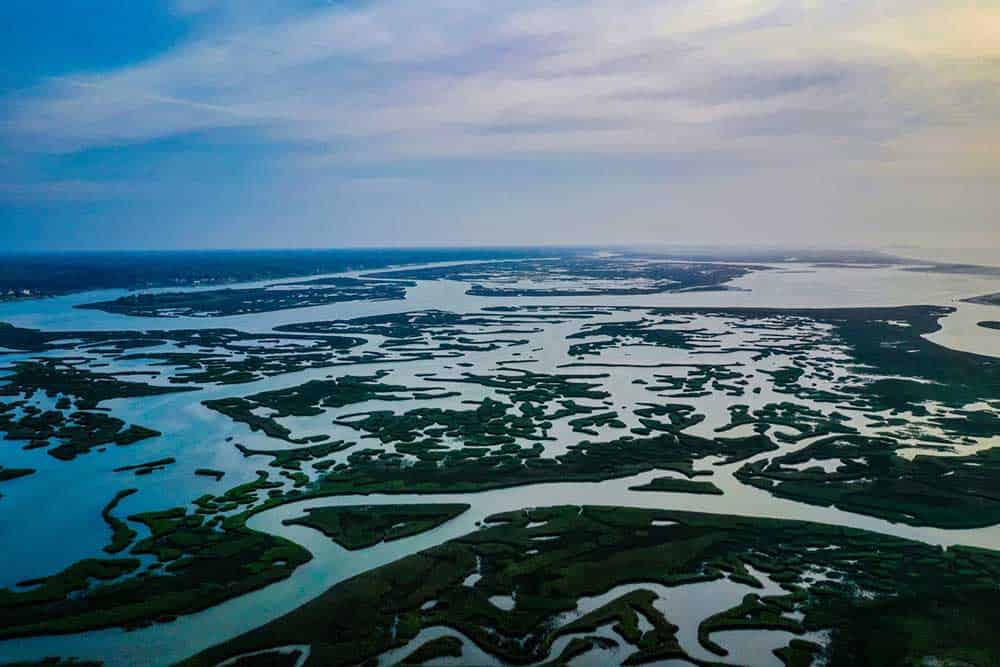
Blue carbon refers to the carbon captured and stored by marine and coastal ecosystems such as mangroves, seagrasses, saltmarshes, and tidal wetlands.
These ecosystems are recognised for their exceptional ability to store carbon long-term, often in sediment that remains stable for centuries. For governments and industry, blue carbon has become an important tool in decarbonisation strategies.
Key features include:
- Blue carbon systems can store carbon up to four times more efficiently than terrestrial forests.
- Ecosystems must be preserved or restored to generate credible carbon offsets.
- International climate frameworks increasingly account for coastal ecosystems in national carbon inventories.
Relevance of Blue Carbon to Aquaculture
Blue carbon intersects with aquaculture in several important ways. As the sector grows, so does its potential to contribute to marine ecosystem restoration and climate mitigation.
Aquaculture relevance includes:
- Aquaculture sites often coexist with blue carbon ecosystems (especially mangroves and saltmarsh areas).
- Restoration activities required by regulators can contribute to blue carbon potential.
- Operators may have obligations to preserve or rehabilitate ecosystems impacted by farm construction or expansion.
- Investment in blue carbon initiatives can improve environmental performance and brand reputation.
Legal Frameworks and Regulatory Considerations
Blue carbon projects sit within emerging regulatory frameworks, each of which carries obligations and opportunities for aquaculture proponents. The legal settings continue to evolve as governments seek to quantify and certify blue carbon credits.
Key legal considerations include:
- National and state environmental laws governing wetlands, mangroves, and marine vegetation.
- Planning and permitting regimes that may require offsets for vegetation disturbance.
- Carbon crediting methods recognised by the Australian Government’s ACCU Scheme (particularly the Blue Carbon Method).
- Long-term land and water tenure requirements for eligibility under carbon projects.
Opportunities for Aquaculture Businesses
For aquaculture operators looking to diversify or strengthen sustainability credentials, blue carbon offers meaningful commercial potential.
Opportunities include:
- Partnering with environmental organisations to rehabilitate coastal ecosystems adjacent to farms.
- Generating carbon credits under approved methodologies.
- Strengthening ESG reporting and enhancing market access for climate-conscious buyers.
- Gaining competitive advantage in export markets where low-emission or climate-positive credentials are valued.
Risks and Challenges to Consider
Despite the opportunities, blue carbon projects carry legal, financial, and operational complexities that aquaculture businesses must carefully assess.
Challenges include:
- Long-term project commitments (20–100 years).
- Compliance with rigorous monitoring, verification, and permanence requirements.
- Potential conflicts between carbon project obligations and future farm expansion plans.
- Costs associated with ecological assessments, baseline monitoring, and project registration.
Integrating Blue Carbon into Aquaculture Strategy
Aquaculture operators can integrate blue carbon thinking into business planning without necessarily undertaking a full carbon project. Strategic alignment begins with assessing existing environmental assets and understanding regulatory obligations.
Strategic steps include:
- Reviewing the presence and condition of blue carbon ecosystems adjacent to aquaculture sites.
- Identifying whether restoration activities may be required or beneficial.
- Engaging legal and technical advisors to navigate ACCU eligibility and land tenure requirements.
- Embedding blue carbon considerations into environmental management systems and long-term planning.
- Exploring partnerships with Traditional Owners, local councils, and conservation groups.
Conclusion
Blue carbon is reshaping how coastal industries—including aquaculture—think about climate resilience, environmental management, and commercial opportunity. As legal frameworks mature and global demand for carbon offsets grows, aquaculture businesses that understand and strategically engage with blue carbon will be well positioned to thrive in a carbon-constrained future.