
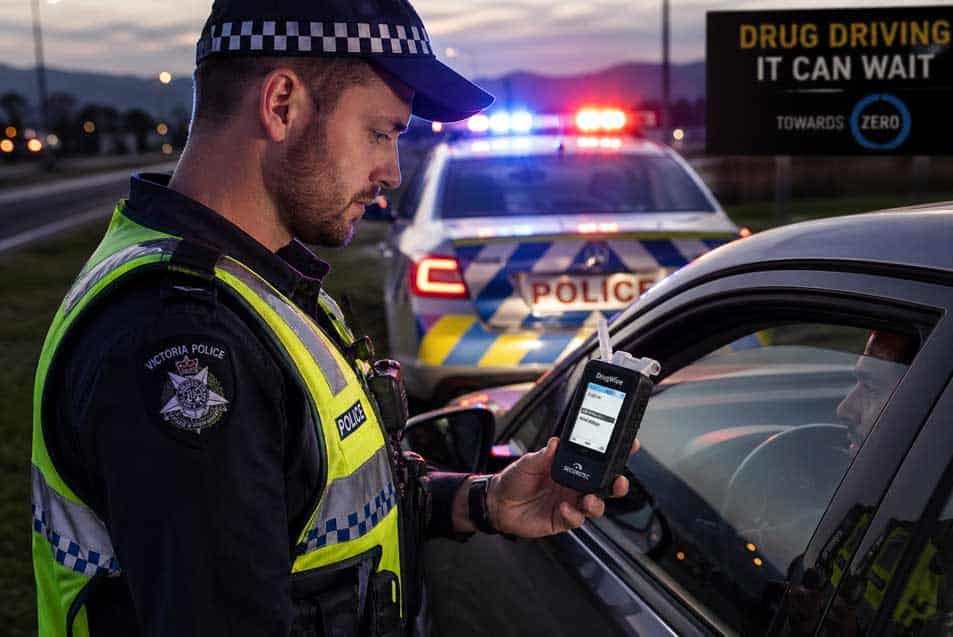
Drug driving offences are taken extremely seriously across Australia, with strict laws in place to deter motorists from operating vehicles under the influence of illicit or impairing substances. Unlike drink driving, where impairment is linked to a measurable blood alcohol concentration, drug driving laws often operate on a “presence” basis—meaning you can be charged even if you are not visibly impaired.
Even a gummie or some THC medicines can give you a positive reading. For many drivers, the process—from roadside testing to potential court—can be confusing and stressful.
Understanding your rights and obligations is critical, particularly if you are stopped by police and later charged.
What Is Drug Driving in Australia?
Drug driving generally refers to operating a motor vehicle while a prohibited drug is present in your system or while you are impaired by drugs (whether illegal, prescription, or over-the-counter).
There are typically two types of offences:
- Presence Offences: Driving With Certain Drugs Detected In Oral Fluid, Blood, Or Urine
- Impairment Offences: Driving While Affected By Drugs To The Extent That Your Ability To Drive Safely Is Compromised
Commonly tested substances include:
- THC (Cannabis)
- MDMA (Ecstasy)
- Methamphetamine (Ice)
It is important to understand that even legally prescribed medicinal cannabis can result in a positive roadside test and subsequent charge.
How Police Test for Drugs
Police across Australia conduct roadside drug testing using mobile drug testing units. These are often set up randomly or alongside breath testing operations.
The process usually involves:
- A Saliva (Oral Fluid) Test Conducted Roadside
- If Positive, A Secondary Test For Confirmation
- A Laboratory Analysis If Required
If a positive result is confirmed:
- You May Be Prohibited From Driving For A Period (E.G. 24 Hours)
- You May Receive A Court Attendance Notice Or Penalty Notice
What Happens If You Are Pulled Over
Being stopped by police can be confronting, but how you respond can significantly impact your situation.
If you are pulled over:
- Remain Calm And Cooperative But Say Nothing
- Provide Your Driver’s Licence When Requested
- Follow Lawful Directions (E.G. Exiting The Vehicle, Undertaking A Test)
You are required by law to:
- Submit To A Roadside Drug Test
- Comply With Further Testing If Directed
Failure to comply can itself be an offence and may carry significant penalties.
Your Rights During a Police Interaction
While you must comply with lawful directions, you still have important rights.
You have the right to:
- Remain Silent (Beyond Providing Identification)
- Decline To Answer Questions About Drug Use
- Request Legal Advice Before Participating In A Formal Interview
Police may ask questions such as:
- “Have You Taken Any Drugs?”
- “When Did You Last Consume Cannabis?”
You are not obliged to answer these questions. In fact, answering them can sometimes strengthen the case against you.
If You Are Taken to the Police Station
In some cases, you may be required to attend a police station for further testing or questioning.
At this stage:
- You May Be Asked To Participate In A Recorded Interview
- You Will Be Cautioned That Anything You Say May Be Used As Evidence
This is a critical moment.
The safest course of action is:
- Politely Decline To Participate In The Interview
- Clearly State: “I Do Not Wish To Answer Questions.”
- Request To Speak With A Lawyer Before Making Any Statement
Remaining silent is not an admission of guilt—it is your legal right.
Why “Say Nothing” Matters
Many people feel pressure to explain themselves, especially if they believe they have done nothing wrong or that honesty will help.
However:
- Admissions About Drug Use Can Be Used As Evidence
- Timing Of Consumption (E.G. “Last Night”) Can Still Support A Charge
- Inconsistencies In Your Statements Can Harm Your Credibility
Even seemingly harmless comments can complicate your defence.
This is why legal professionals consistently advise:
- Do Not Answer Substantive Questions Without Legal Advice.
Penalties for Drug Driving
Penalties vary between states and territories but are generally severe, particularly for repeat offenders.
Potential consequences include:
- Fines (Often Substantial)
- Licence Disqualification
- Criminal Conviction
- Possible Imprisonment (For Serious Or Repeat Offences)
For example:
- First Offences May Result In Fines And Disqualification
- Repeat Offences Can Lead To Longer Disqualifications And Possible Jail Time
- Aggravated Offences (E.G. Driving Dangerously While Affected) Carry Harsher Penalties
A criminal conviction can also have long-term consequences for employment, travel, and insurance.
Medicinal Cannabis and Drug Driving
A growing issue in Australia is the intersection between medicinal cannabis and drug driving laws.
Key points:
- Medicinal Cannabis Is Legal With A Prescription
- However, Driving With THC In Your System Is Still Illegal In Most Jurisdictions
- There Is Generally No Defence Based Solely On Having A Prescription
This creates a challenging legal landscape where patients may be compliant with medical advice but still at risk of prosecution.
If you are prescribed medicinal cannabis:
- Speak With Your Doctor About Driving Risks
- Understand That Detection Can Occur Long After Use
- Seek Legal Advice If Charged
Defences to Drug Driving Charges
Defences depend on the specific charge and circumstances but may include:
- Challenging The Accuracy Or Reliability Of The Test
- Procedural Errors By Police (E.G. Incorrect Testing Process)
- Issues With Chain Of Custody For Samples
- Medical Or Factual Disputes About Impairment
However, these defences are technical and require expert legal assistance.
What To Do If You Are Charged
If you are charged with a drug driving offence:
- Do Not Panic
- Do Not Discuss The Matter With Anyone Except Your Lawyer
- Carefully Review Any Paperwork Provided By Police
Your next steps should include:
- Contact A Criminal Defence Lawyer Immediately
- Note Your Court Date And Attend As Required
- Begin Gathering Relevant Information (E.G. Prescriptions, Timeline Of Events)
A lawyer can:
- Assess The Strength Of The Prosecution Case
- Advise On Whether To Plead Guilty Or Not Guilty
- Represent You In Court
- Seek To Minimise Penalties Or Avoid Conviction Where Possible
Court Process Explained
If your matter proceeds to court:
- You Will Attend A Local Court Mention
- You May Enter A Plea (Guilty Or Not Guilty)
- If Guilty:
- The Court Will Consider Penalty
- If Not Guilty:
- The Matter Will Proceed To A Hearing
The court will consider factors such as:
- Your Driving Record
- Whether It Is A First Offence
- The Circumstances Of The Offence
- Your Personal Situation
Impact on Your Life
A drug driving conviction can affect multiple areas of your life:
- Employment: Particularly If Your Job Involves Driving
- Insurance: Increased Premiums Or Refusal Of Coverage
- Travel: Difficulty Obtaining Visas For Some Countries
- Reputation: Criminal Record Implications
For professionals, tradespeople, and business owners, the impact can be significant.
Practical Tips If You Are Stopped
If you find yourself in this situation, remember:
- Stay Calm And Respectful
- Provide Identification As Required
- Comply With Testing Directions
- Do Not Answer Questions About Drug Use
- Do Not Volunteer Information
- Request A Lawyer Before Any Formal Interview
A simple and effective approach is:
- “I Choose To Remain Silent And Would Like To Speak To A Lawyer.”
Prevention Is Always Better
The best way to avoid a drug driving charge is simple:
- Do Not Drive After Consuming Illicit Drugs
- Be Cautious With Prescription Medications That May Impair Driving
- Understand That Detection Windows Can Be Longer Than Expected
Even if you feel fine to drive, that does not mean you are legally safe.
Final Thoughts
Drug driving laws in Australia are strict, and enforcement is increasing. Many drivers are caught off guard, particularly with the “presence” nature of offences and the complexities surrounding medicinal cannabis.
If you are stopped by police, your conduct in that moment—and immediately afterward—can significantly influence the outcome. Exercising your right to remain silent and seeking legal advice early are among the most important steps you can take.
If you are charged, obtaining experienced legal representation is essential to protect your rights and achieve the best possible outcome.