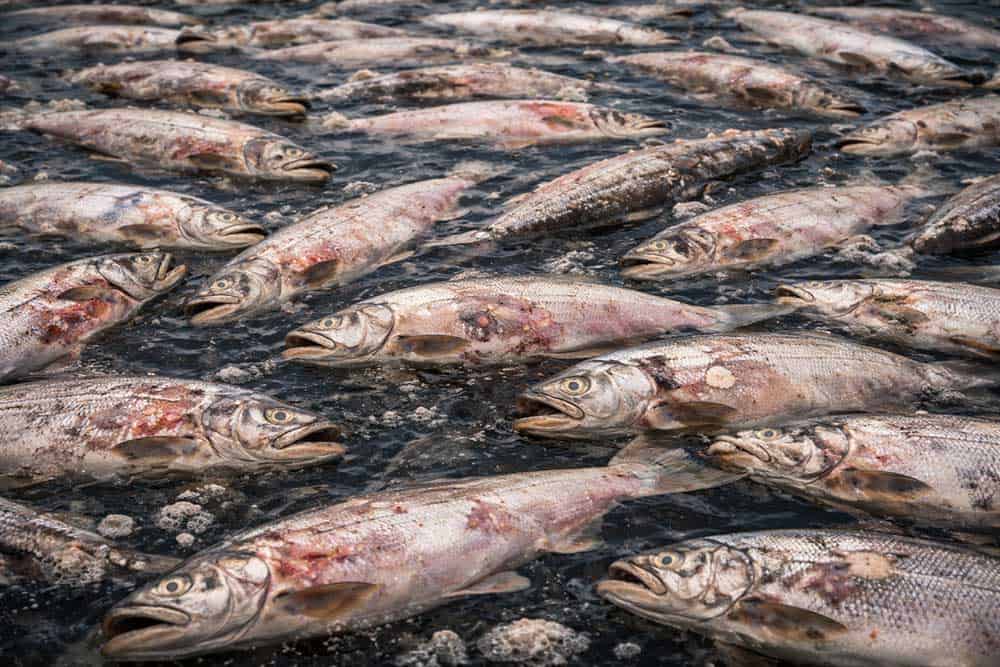
Mass salmon mortality events aren’t just a biological crisis—they’re a legal stress test. As Tasmanian waters warm and extreme conditions become more frequent, the big questions are: what must be reported, what standards apply, and how will liability be assessed when climate is a factor but management decisions still matter?
In our latest analysis, we unpack the regulatory gaps exposed by large-scale mortalities and outline practical frameworks for climate-fit compliance, enforcement, and incident response.
#AquacultureLaw #SeafoodIndustry #SalmonFarming #Tasmania #MarineLaw #EnvironmentalLaw #Fisheries #ESG #ClimateRisk #RegulatoryCompliance #Biosecurity #AustralianSeafood #SustainableAquaculture #IncidentResponse #CorporateGovernance
- The Path to 30% Highly Protected Marine Areas by 2030 and its Commercial Fisheries Impact
- Assess regulatory change, stakeholder conflict, compliance challenges and opportunities for co-management. (The Guardian)
- Algal Blooms & Emergency Fisheries Closures: Legal Risk and Business Continuity Strategies
- Exploring how algal bloom shutdowns affect licence conditions, force majeure in supply contracts, and compensation frameworks. (News.com.au)
- Evolving Export Market Access Requirements & Trade Law for Australian Seafood
- Trends in certification (e.g., sustainability eco-labels), non-tariff barriers, and trade agreements shaping export compliance.
- Climate Change Adaptation Obligations under Australian Fisheries Law
- Linking AFMA’s climate adaptation programs with legal compliance, reporting requirements and governance reforms. (afma.gov.au)
- ESG Reporting and Sustainable Aquaculture: Legal Drivers for Industry Beyond 2026
- Addressing how ESG obligations are becoming embedded in corporate and environmental law for seafood producers. (aquariuslawyers.com.au)
- Bycatch and Habitat Regulation: Future Reforms to Minimise Environmental Harm
- A deep-dive on potential reforms in harvest strategy policies and bycatch rules under federal and state frameworks. (DAFF)
- Aquaculture Technology & Legal Frameworks: From Monitoring to Autonomous Systems
- Examining how innovation (e.g., robotics, data analytics) sits within legal compliance for welfare, environment and food safety.
- Fisheries Management Policy Review: Balancing Conservation and Commercial Rights
- Discussion of recent policy reviews (e.g., Harvest Strategy updates) and how industry can engage in consultative reform. (DAFF)
- Marine Conservation Law & Fisheries Access: Conflicts, Compromise and Coexistence
- Focus on disputes over expanded no-take zones (as seen with marine park zoning controversies) and legal negotiation strategies. (The Australian)
- Climate Risk Disclosure and Corporate Compliance in Seafood Supply Chains
- Emerging expectations for reporting climate impacts, supply chain emissions, and climate risk disclosures under corporate and environmental law.
- Workforce & Succession Law in Remote Fishing and Aquaculture Communities
Legal challenges around labour shortages, immigration law, worker safety and industry attraction in regional Australia—based on «drivers of change» in sector foresighting. (Futures of Seafood)