Harmful algal blooms are becoming more frequent across Australian waters, and when they occur, regulators can move quickly to close fisheries, disrupt supply chains and expose seafood businesses to significant legal and financial risk.
INTRODUCTION
In recent years, harmful algal blooms have led to emergency fisheries closures in multiple Australian jurisdictions. For seafood businesses, these events are not just environmental incidents. They are legal, contractual and operational crises. Understanding the legal risks and planning for continuity can make the difference between survival and severe financial loss.
WHAT ARE HARMFUL ALGAL BLOOMS?
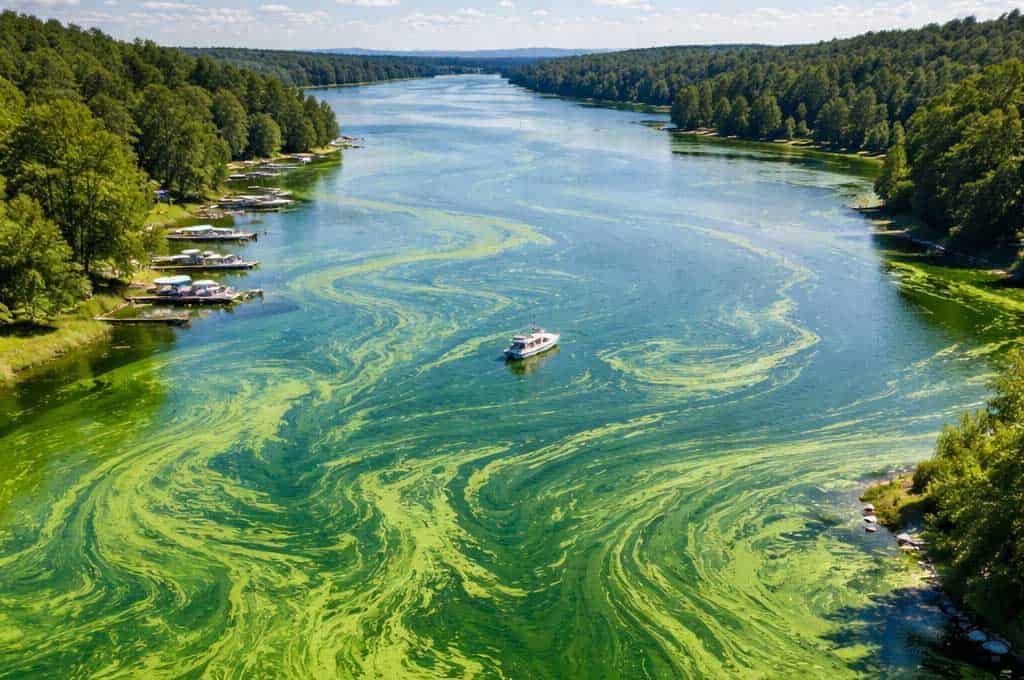
Algal blooms occur when microscopic algae grow rapidly in marine or freshwater environments. Some blooms are harmless. Others produce toxins that can accumulate in shellfish or fish, posing serious risks to human health.
These are commonly referred to as harmful algal blooms (HABs). They may be caused or intensified by:
- Warmer water temperatures
- Nutrient run-off from agriculture or urban areas
- Changes in ocean currents
- Calm weather conditions
In Australia, toxic blooms often affect shellfish such as oysters and mussels. However, finfish aquaculture operations can also suffer losses due to oxygen depletion or direct toxicity.
When regulators detect elevated toxin levels, they may impose immediate closures on harvesting areas, suspend licences, or restrict product movement.
WHY EMERGENCY CLOSURES HAPPEN
Food safety is the primary driver of emergency closures. State and territory authorities operate monitoring programs that regularly test water quality and seafood products. If toxin levels exceed safe limits, regulators must act quickly to protect public health.
Emergency closures may include:
- Temporary bans on harvesting
- Movement controls on live product
- Product recalls
- Suspension of aquaculture leases
- Public health warnings
These decisions are often made with little notice. While necessary from a health perspective, they can create severe commercial disruption.
LEGAL RISKS FOR SEAFOOD BUSINESSES
Emergency closures create layered legal risks. These risks do not stop at lost sales. They can extend to contracts, regulatory compliance, insurance and reputation.
Regulatory compliance risk
Businesses must strictly comply with closure notices and movement controls. Harvesting during a closed period, even accidentally, can lead to prosecution, fines and potential loss of licence.
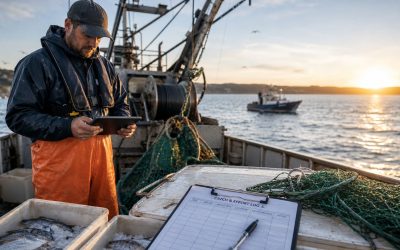
Operators must also maintain accurate records demonstrating compliance. In an investigation, regulators will closely examine traceability systems and harvest logs.
Product liability risk
If contaminated product enters the market, the consequences can be serious. Businesses may face:
- Mandatory recalls
- Claims for personal injury
- Consumer law penalties
- Class actions
- Brand damage
Under Australian Consumer Law, suppliers must ensure goods are safe and of acceptable quality. Even if contamination arose from environmental causes beyond the operator’s control, liability can still arise if unsafe product is sold.
Contractual risk
Supply contracts often require consistent delivery volumes. When a bloom forces closure, producers may be unable to meet contractual obligations.
Without protective clauses, this can lead to:
- Breach of contract claims
- Termination of long-term supply agreements
- Loss of key customers
- Damages claims
Force majeure clauses may provide protection, but only if properly drafted and triggered correctly.
Employment risk
Sudden shutdowns can affect workforce arrangements. Employers must manage stand-downs carefully under the Fair Work Act and relevant enterprise agreements.
Incorrect handling of stand-downs can expose businesses to wage claims or unfair dismissal risks.
Insurance risk
Many operators assume insurance will cover bloom-related losses. However, policy wording is critical. Some policies exclude losses arising from pollution or naturally occurring events. Others may not cover government-ordered closures.
Failure to review coverage before a crisis can leave a business exposed.
THE ROLE OF LICENCE AND LEASE CONDITIONS
Aquaculture operations operate under detailed licence and lease conditions. These often include:
- Environmental monitoring obligations
- Reporting requirements
- Biosecurity protocols
- Emergency response obligations
Non-compliance during a bloom event can lead to suspension or cancellation of tenure. Regulators may also impose additional conditions following a significant incident.
Operators should regularly review licence conditions to ensure they understand their obligations during emergency events.
BUSINESS CONTINUITY CHALLENGES
Beyond legal exposure, algal blooms test operational resilience.
Immediate impacts may include:
- Loss of harvestable stock
- Mortality events in aquaculture systems
- Storage and logistics disruption
- Cash flow pressure
- Contractual strain
Longer-term impacts can include damaged buyer confidence and reduced market access, particularly for export businesses subject to strict importing country requirements.
Building resilience requires planning before a crisis occurs.
FORCE MAJEURE AND CONTRACT PROTECTION
A well-drafted force majeure clause is essential in fisheries and aquaculture contracts.
Such clauses should clearly cover:
- Government-ordered closures
- Natural environmental events
- Harmful algal blooms
- Biosecurity events
The clause should set out notification requirements, mitigation obligations and the consequences of prolonged disruption.
Without clear wording, parties may dispute whether a bloom qualifies as a force majeure event. Courts interpret these clauses strictly. Vague language can undermine protection.
Businesses should also consider:
- Diversification clauses allowing volume adjustments
- Suspension rights during regulatory closures
- Clear termination rights after extended shutdowns
- Regular contract review is critical in a climate where environmental volatility is increasing.
SUPPLY CHAIN DIVERSIFICATION
Reliance on a single harvest area or single buyer increases vulnerability.
Strategies to reduce risk include:
- Operating across multiple growing areas where possible
- Developing relationships with alternative suppliers
- Expanding product range
- Exploring frozen or value-added product lines
While diversification involves cost, it can stabilise revenue during regional closures.
TRACEABILITY AND RECORD KEEPING
Robust traceability systems are essential during a bloom event.
Accurate records help businesses:
- Demonstrate compliance with closure orders
- Isolate affected batches
- Reduce recall scope
- Protect brand reputation
Digital systems that integrate harvest data, processing records and distribution information provide stronger protection than manual processes.
In a regulatory investigation, the ability to quickly produce accurate records can significantly reduce enforcement risk.
INSURANCE REVIEW AND RISK TRANSFER
Insurance should be reviewed annually with bloom risk in mind.
Key questions include:
- Does the policy cover government-mandated closure?
- Is contamination covered if caused by natural events?
- Are there exclusions for pollution or marine biotoxins?
- Does business interruption insurance respond?
- What waiting periods apply?
Specialist advice is often required to understand complex policy wording.
Some businesses may also explore parametric insurance products, which pay out when specific environmental triggers occur.
REGULATORY ENGAGEMENT AND COMMUNICATION
Maintaining constructive relationships with regulators can improve crisis management.
Proactive engagement includes:
- Participating in monitoring programs
- Prompt reporting of unusual conditions
- Cooperation during investigations
- Transparent communication
Clear internal communication is equally important. Staff must understand closure requirements and compliance obligations.
Externally, businesses should manage messaging carefully. Public statements during a bloom event should be accurate and coordinated to avoid reputational harm.
EXPORT CONSIDERATIONS
Exporters face additional challenges.
Importing countries may impose:
- Temporary bans
- Increased inspection
- Certification requirements
- Extended testing
Failure to manage compliance carefully can result in long-term market damage.
Export documentation should align with domestic regulatory findings. Inconsistent messaging between domestic and export channels can trigger investigation.
THE IMPORTANCE OF A WRITTEN RESPONSE PLAN
Every seafood business should have a written environmental incident response plan.
A strong plan should cover:
- Monitoring and early detection procedures
- Immediate operational steps
- Regulatory notification pathways
- Legal review processes
- Customer communication strategy
- Insurance notification
- Workforce management
The plan should be tested through scenario exercises. Many businesses only discover gaps during real events, when pressure is highest.
BOARD AND DIRECTOR DUTIES
Directors have duties under the Corporations Act to act with care and diligence. Ignoring foreseeable environmental risk can expose directors to personal liability.
Boards should ensure:
- Risk registers include bloom exposure
- Insurance is reviewed regularly
- Contracts are legally robust
- Compliance systems are effective
- Crisis response plans are current
Demonstrating active oversight is critical if a major event leads to financial distress.
CLIMATE CHANGE AND INCREASING RISK
Scientific evidence suggests that warming waters and changing nutrient patterns may increase bloom frequency and intensity.
While individual events cannot always be predicted, the overall risk trend is clear. Businesses that treat blooms as rare anomalies may be underestimating future exposure.
Legal strategy must adapt to this reality.
KEY BUSINESS CONTINUITY STRATEGIES
Seafood businesses can reduce legal and commercial risk by adopting practical measures:
Regular contract review and force majeure updates
- Comprehensive insurance review
- Diversified supply and customer base
- Strong traceability systems
- Written emergency response plans
- Clear internal compliance procedures
- Active board oversight
- Early legal advice during incidents
Preparation is significantly less costly than reactive crisis management.
CONCLUSION
Algal blooms are environmental events, but their consequences are deeply legal and commercial. Emergency fisheries closures can disrupt operations overnight, trigger contractual disputes and expose businesses to regulatory enforcement.
The seafood sector operates in a dynamic and increasingly volatile environment. Legal risk management must evolve alongside environmental change.
With careful planning, robust contracts and strong compliance systems, businesses can improve resilience and protect long-term viability even in the face of sudden closures.
Aquarius Lawyers works closely with fisheries, aquaculture and seafood enterprises across Australia. If your business would like assistance reviewing contracts, insurance or emergency response planning, our team is available to help.