
26 Sep 2026 | Seafood, Fisheries & Marine
Could the label on your fishing crew paperwork determine whether you can challenge your dismissal? Not by itself. If you’re searching for “unfair dismissal fishing crew”, first consider whether the real working relationship made you an employee or an independent...

25 Sep 2026 | Seafood, Fisheries & Marine
A standard employment contract might suffice for a desk job, but when you are three hundred nautical miles offshore, a single vague clause can leave you stranded without pay or a way home. Your safety and livelihood shouldn’t depend on guesswork. A professional...
23 Sep 2026 | Seafood, Fisheries & Marine
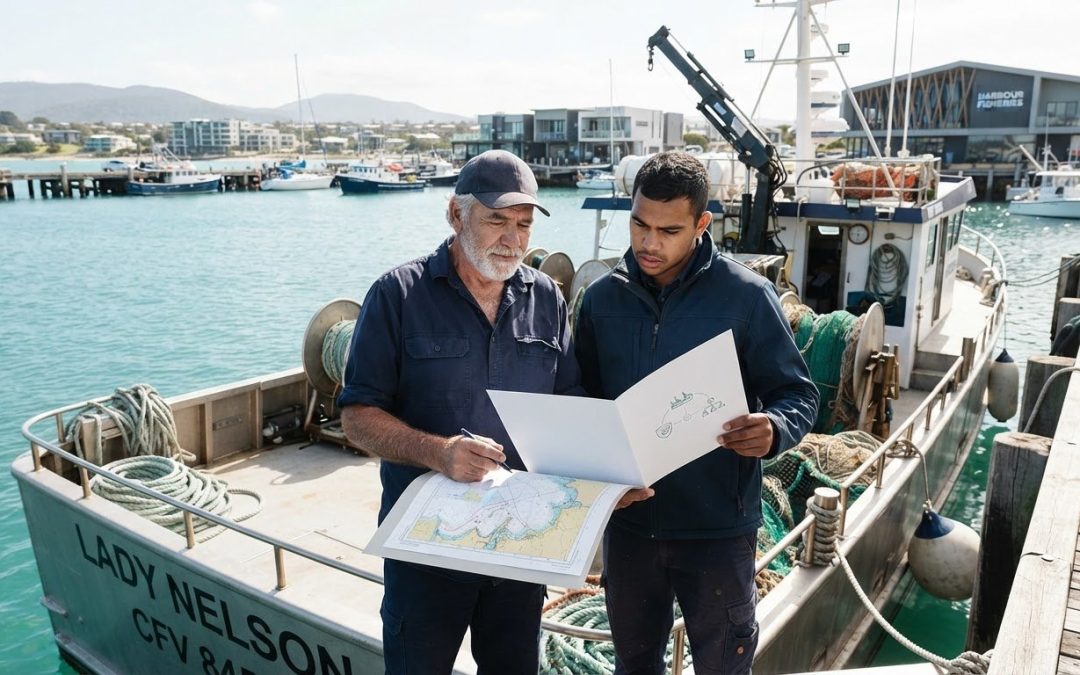
A standard family will cannot protect a lifetime spent on the water. When handling commercial fishing business succession planning, relying on off-the-shelf estate documents can jeopardise everything you have built. Lasting succession succeeds through the careful...

22 Sep 2026 | Seafood, Fisheries & Marine
Approximately 87% of seafood consumed in New South Wales is imported, yet establishing a commercial facility to satisfy domestic demand often feels like fighting an uphill battle against red tape. You already know the immense frustration of juggling local council...

20 Sep 2026 | Seafood, Fisheries & Marine
Treating fisheries compliance as routine paperwork is the fastest way to lose your livelihood at sea. If you operate a commercial fishing vessel or hold quota units, you already know the intense pressure of navigating shifting rules. With the 2026 Total Allowable...
18 Sep 2026 | Seafood, Fisheries & Marine
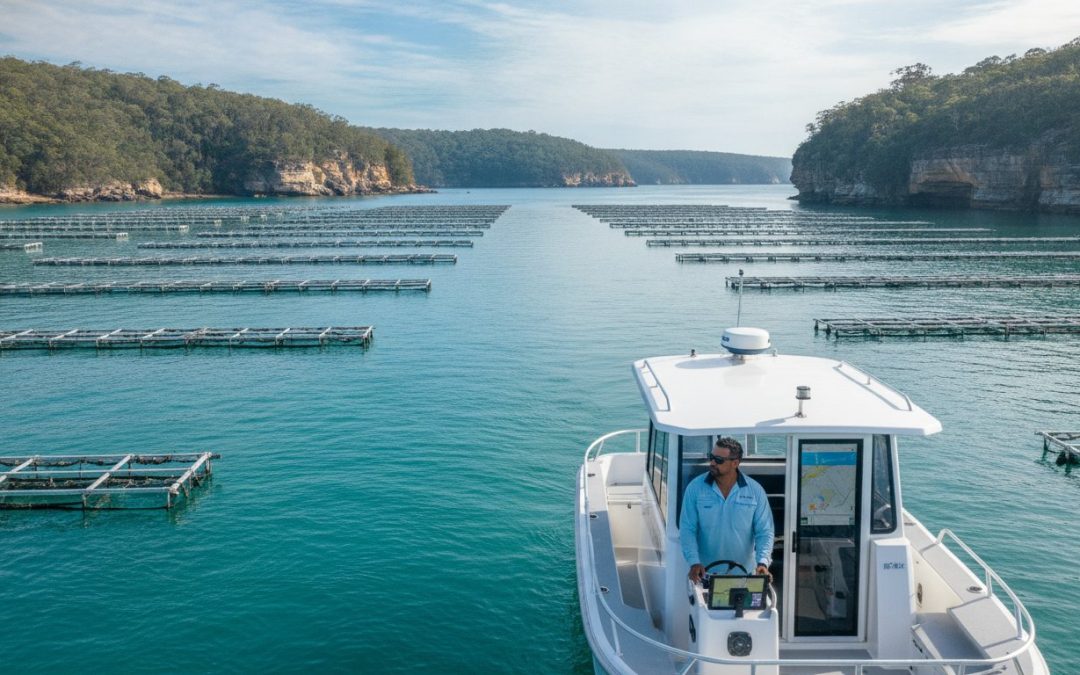
Securing an oyster farming licence NSW operators can rely on means obtaining commercial lease approvals, maintaining biosecurity compliance, and following spatial planning rules under strict Department of Primary Industries oversight. You must understand land tenure...