Fisheries, Seafood & Marine
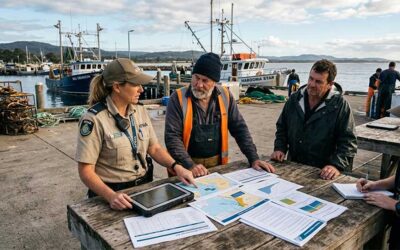
Climate Change Adaptation Obligations under Australian Fisheries Law
Climate change is reshaping Australia’s marine environment at a pace that is testing traditional fisheries management frameworks. Rising sea temperatures, marine heatwaves, ocean acidification, shifting species distribution and intensified storm events are no longer...
The Path to 30% Highly Protected Marine Areas by 2030 and its Commercial Fisheries Impact
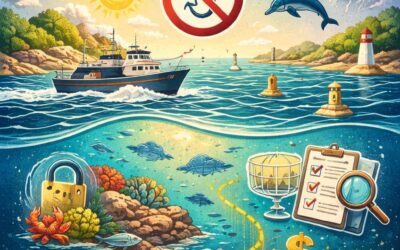
Australia has committed, alongside many other nations, to the global objective of protecting 30% of land and marine areas by 2030 — commonly referred to as the “30x30” target. In the marine context, this commitment is driving expansion and strengthening of highly...
ESG Reporting and Sustainable Aquaculture: Legal Drivers for Industry Beyond 2026
Australia’s aquaculture sector has matured into one of the most sophisticated and export-oriented segments of the agribusiness economy. Premium salmon, tuna, oysters, prawns and emerging species continue to attract strong domestic and international demand. Yet...
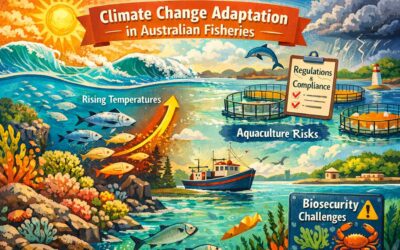
Climate Change Adaptation Obligations under Australian Fisheries Law
Climate change is no longer a future policy concern for Australia’s fisheries sector — it is a present operational reality. Rising sea temperatures, marine heatwaves, ocean acidification, shifting stock distributions and extreme weather events are already affecting...
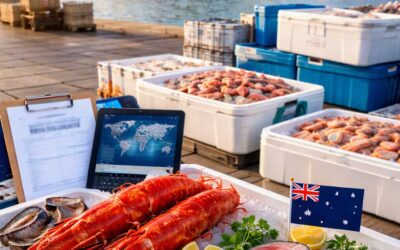
Evolving Export Market Access Requirements & Trade Law for Australian Seafood
Australia’s seafood industry has long relied on export markets for growth, margin stability and product diversification. From premium rock lobster and abalone bound for China, to tuna for Japan, prawns for Southeast Asia and emerging opportunities in the Middle East,...
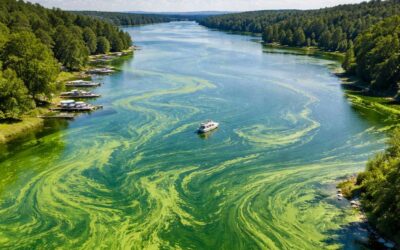
ALGAE BLOOMS & EMERGENCY FISHERIES CLOSURES: LEGAL RISK AND BUSINESS CONTINUITY STRATEGIES
Harmful algal blooms are becoming more frequent across Australian waters, and when they occur, regulators can move quickly to close fisheries, disrupt supply chains and expose seafood businesses to significant legal and financial risk. INTRODUCTION In recent years,...
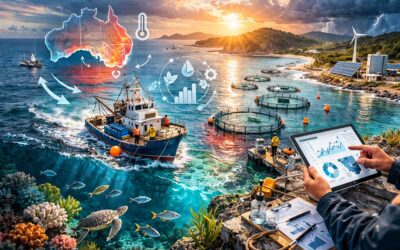
Marine Conservation Law & Fisheries Access: Conflicts, Compromise and Coexistence
Australia’s marine environment is governed by an increasingly complex intersection of conservation law, fisheries regulation and international biodiversity commitments. As marine protected areas expand and environmental scrutiny intensifies, commercial fisheries are...
Biosecurity Law after the Spread of Invasive Marine Species
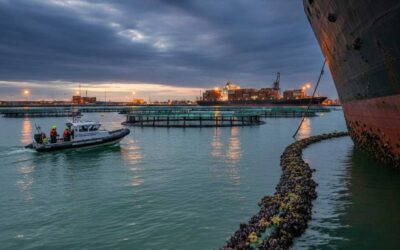
Invasive marine species are no longer a hypothetical risk for Australia’s seafood, aquaculture and commercial fishing sectors—they are an operational, legal and reputational reality. As ocean temperatures rise, shipping traffic intensifies, and coastal infrastructure...
Proposed WA Fisheries Compensation Package for Commercial Fishers: What it is, where it’s up to, and how fishers should prepare!
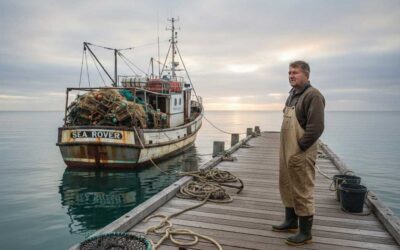
The closure of commercial fishing activity across parts of Western Australia’s west coast from December has been one of the most disruptive regulatory interventions the sector has faced in decades. For many licence holders and crew, the sudden cessation of fishing has...
Legal Implications of Climate-Driven Mass Mortalities in Salmon Aquaculture
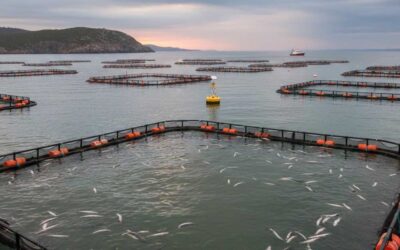
Climate-driven mass mortalities in Tasmanian salmon aquaculture are no longer a “once in a decade” anomaly. Warmer waters, lower dissolved oxygen, shifting currents, and more frequent marine heatwaves can push farm systems past biological limits fast—sometimes within...
Navigating the National Sustainable Ocean Plan: What Fisheries and Aquaculture Operators Need to Know
Australia is developing a national Sustainable Ocean Plan to better protect the marine environment while supporting a growing “blue economy”, and that combination—conservation plus growth—signals real change for fisheries and aquaculture operators who rely on access,...
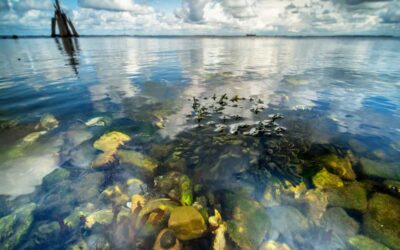
Strengthening Climate Resilience in Seafood Businesses: Legal Tools & Policy Options
1.What “climate resilience” means in legal and commercial terms Resilience is often treated as a technical or operational concept, but it is increasingly measurable through legal duties: risk identification, prevention, adaptation planning, reporting, and response....
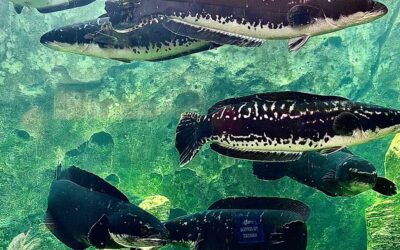
Digital Fisheries Monitoring: Regulatory Impacts of AI, Drones & Remote Sensing
Australia’s commercial fishing sector is undergoing a profound technological transformation. Digital monitoring tools—once experimental—are now mainstream in compliance, sustainability reporting and fisheries management. As regulators adopt AI-driven analytics, drone...

Branding Australian Seafood: Intellectual Property and Mis-Representation Risk
Branding has become central to the competitiveness of Australian seafood producers in domestic and international markets. As consumers increasingly demand provenance, sustainability, species integrity and product authenticity, the value of a strong and truthful brand...
2025 Employment Law Changes: What Commercial Fishing Businesses Need to Know
The commercial fishing industry relies on strict compliance, safe operations and a workforce that often operates in complex and high-risk environments. As employment laws continue to evolve, fishing businesses—whether wild-catch fleets, seafood processors or...
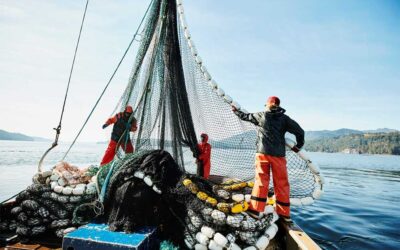
Navigating the Legal Relationship Between Aquaculture Farmers and Fish-Feed Suppliers
The commercial relationship between aquaculture producers and feed suppliers is one of the most consequential in the seafood value chain. Feed determines not only growth rates and survival but also product quality, environmental performance, and commercial viability....
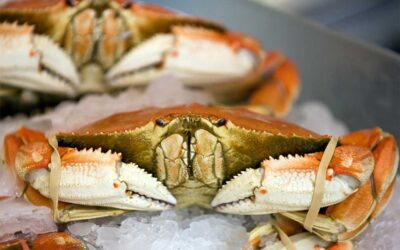
Sea-food Fraud and Traceability: Legal Risks in Global Supply Chains
Seafood fraud has emerged as a significant legal, commercial and regulatory issue as global supply chains expand and consumer demand for sustainable, traceable seafood increases. For Australian fisheries, aquaculture operators and exporters, ensuring the authenticity...
Aquaculture Financing in the Blue Economy: What Fisheries Need to Know
Aquaculture has become a central pillar of the blue economy, attracting investment, government support and corporate interest as global demand for sustainable seafood accelerates. Yet for many fisheries and aquaculture operators, navigating the financing landscape...
Indigenous Joint Ventures in Aquaculture: Legal Structures, Benefits and Pitfalls
Indigenous joint ventures in aquaculture are becoming an increasingly important model for delivering economic development, cultural empowerment and sustainable marine enterprise across Australia. As coastal and sea-country opportunities expand, Traditional Owner...

Marine Spatial Planning and Fisheries Access: Legal Trends in Australian Coastal Zones
Marine Spatial Planning (MSP) is reshaping how Australia allocates, manages and protects its coastal and ocean spaces. As competition for ocean use intensifies—from aquaculture to offshore energy, tourism, conservation and commercial fisheries—the legal frameworks...
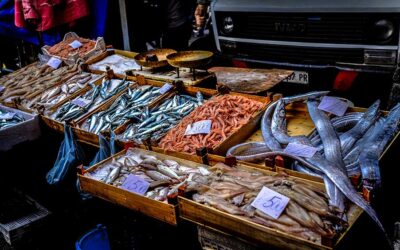
Exporting to New Markets Beyond China: Legal, Trade and Certification Frameworks for Southeast Asia and the Middle East
As global seafood trade continues to diversify, many Australian exporters are reducing their reliance on China and pursuing new high-value markets in Southeast Asia and the Middle East. While these regions offer strong demand, premium price potential and growing...
Emerging Species in Aquaculture: Regulatory Pathways for Novel Marine Farms
Australia’s aquaculture industry is expanding beyond traditional species such as salmon, oysters, and prawns. As operators seek new markets, climate-resilient species, and diversified revenue streams, interest in farming emerging or non-traditional marine species has...
Aquaculture Biosecurity: Legal Frameworks for Disease Outbreak and Containment
Biosecurity is now one of the defining risk factors in global aquaculture, shaping regulatory responses, commercial readiness, and the legal responsibilities of operators. In Australia’s highly regulated seafood sector—built on a “clean, green, and safe”...

Indigenous Sea-Country Partnerships for Aquaculture: Legal Structures, Benefits and Pitfalls
Indigenous sea-country partnerships in aquaculture are rapidly emerging as a cornerstone of Australia’s blue-economy development. As governments, investors and Traditional Owners recognise the economic, cultural and environmental value of shared stewardship, new...
Insurance and Liability in the Blue Economy: Vessels, Environmental Incidents and Supply-Chain Shocks
The expansion of Australia’s blue economy—spanning aquaculture, wild-catch fisheries, offshore energy, marine logistics and coastal infrastructure—has amplified complex risks for seafood producers and maritime operators. With climate pressures intensifying, vessels...
Intellectual Property, Branding and the “Clean & Green” Australian Seafood Label: Legal Risks of Misrepresentation
Australia’s seafood industry has long benefited from a strong international reputation for premium, clean and sustainable products. As global consumers increasingly seek low-impact, ethically sourced seafood, many Australian producers have leaned heavily on branding...
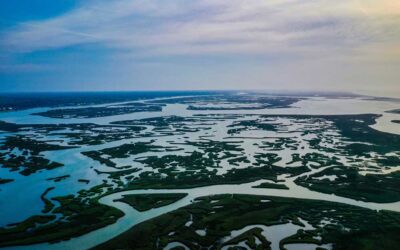
Understanding Blue Carbon and Its Relevance to Aquaculture
Blue carbon is rapidly becoming a central theme in global climate policy and coastal management. For aquaculture operators, blue carbon presents both an opportunity and a legal frontier. Understanding what blue carbon is—and how it intersects with aquaculture...
Sea-Food Fraud and Traceability: Legal Risks in Global Supply Chains
Seafood fraud has become a global issue affecting consumer confidence, regulatory compliance and international trade integrity, with Australian exporters increasingly exposed to the legal risks of mislabelling, species substitution and documentation failures. As...
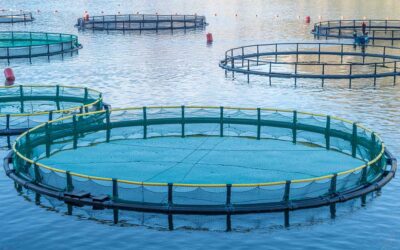
Offshore Aquaculture Licensing: Legal Pathways Beyond the Coastal Zone
Offshore aquaculture is emerging as a major growth frontier for Australia’s seafood sector, driven by increasing coastal constraints, stronger environmental sustainability goals, and rising international demand. Moving farms further offshore offers deeper waters,...
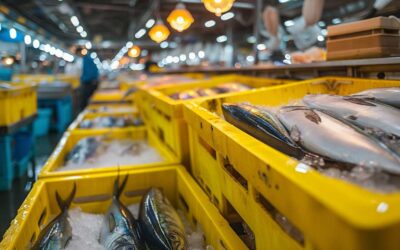
Smart Packaging and Sustainability: legal challenges for seafood exporters
Smart and sustainable packaging is rapidly becoming an essential component of modern seafood export operations. With global customers demanding transparency, lower environmental impacts, and proof of provenance, seafood exporters face new legal, regulatory and...

Port Infrastructure, Logistics and Cold-Chain Regulation: Legal Challenges for Seafood Exporters
Australia’s seafood industry relies heavily on efficient, consistent and legally compliant supply chains to maintain both domestic distribution and global competitiveness. For exporters of high-value products such as rock lobster, abalone, tuna, prawns and premium...

The Value of the Australian Seafood Industry to the Economy
Australia’s seafood industry is a vital contributor to national prosperity, particularly across coastal and regional communities where fishing, aquaculture and processing remain foundational economic activities. The Monetary Value Proposition Across wild-capture...

INDIGENOUS CORPORATIONS IN THE SEAFOOD INDUSTRY
Indigenous corporations are quietly reshaping Australia’s seafood industry – from small coastal fishing enterprises to sophisticated aquaculture and processing ventures. They are not just commercial players, but custodians of Sea Country, cultural knowledge and...

Using Your SMSF to Assist Your Seafood Business: Opportunities, Risks and Legal Considerations
Self-managed superannuation funds (SMSFs) have become an increasingly popular wealth-building tool for business owners across Australia. For operators in the seafood sector—whether wild-catch, aquaculture, processing, logistics, or retail—an SMSF can provide...
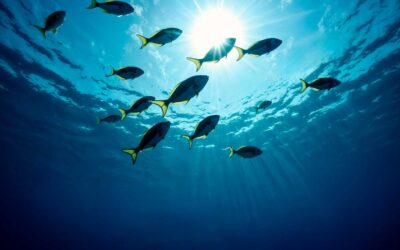
Traceability: Why you should pay attention
Traceability: Why you should pay attention! Traceability is now at the heart of the seafood industry. From the boat or farm to the plate, consumers, regulators and markets demand proof of origin, legality and safety. For Australian seafood producers, strong...
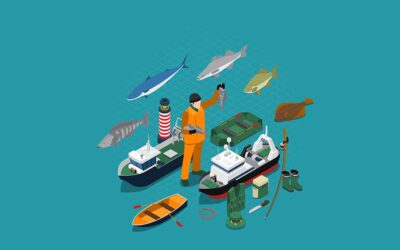
Starting an Agribusiness in Australia: ESG Principles and Legal Risk
Australia offers some of the best conditions in the world for agribusiness. From farming and horticulture to aquaculture and food processing, opportunities are growing across domestic and export markets. But running an agribusiness also means managing complex legal,...

Marine Park Management: declarations and what they mean for your business!
Introduction Recent marine-protection declarations along Australia’s coastlines are reshaping the regulatory landscape for commercial fishing and aquaculture. For operators, Indigenous persons with sea-country rights, and advisers alike, it is vital to understand what...
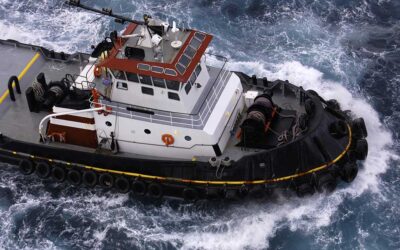
Traceability why it matters to the Seafood Industry!
Traceability in the seafood industry is now one of the most important issues facing commercial fishers, aquaculture producers, processors and exporters. With growing global demand for safe and sustainable seafood, consumers, regulators and trade partners are demanding...

Blockchain and Traceability in the Seafood Industry
Blockchain technology is becoming an increasingly important tool for traceability in the global seafood industry. It promises to bring greater transparency, efficiency and trust to supply chains that often stretch across countries and continents. For Australian...
Organisation and Lobbying: Why the Australian commercial fishing industry lags behind the cattle industry – what to do about It!
Australia’s cattle industry is one of the best-organised primary production sectors in the country. From the paddock to Parliament, the Cattle Council of Australia and state-based farming bodies provide unified representation, effective lobbying, and clear leadership....
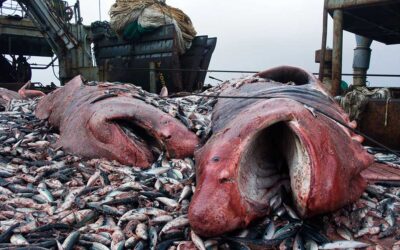
Mistreated Bycatch, No-Take Salmon, Missing Logbook Lines: a Lakes Entrance cautionary tale!
Who was involved & where it happened A commercial master based at Lakes Entrance (Vic) pleaded guilty in the Bairnsdale Magistrates’ Court (15 January 2025) to four offences: two counts of mistreating shark bycatch, landing an illegal catch of Australian salmon...
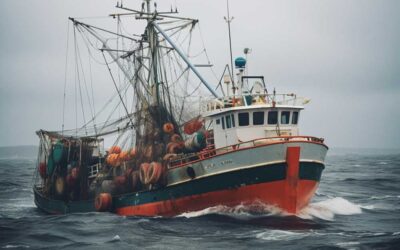
“20× Over The Limit”: The snapper trip-limit case off Wilsons Promontory
Who was involved & where it happened Two commercial fishers linked to a Commonwealth-regulated vessel fishing east of Wilsons Promontory (Vic) pleaded guilty in the Bairnsdale Magistrates’ Court on 5 December 2024 after one trip delivered 1,013 kg of snapper,...

Recreational Fishing in Australia: Warmer Weather, Legal Requirements, and What to Do if Stopped by a Fisheries Officer
Introduction As warmer weather returns across Australia, recreational fishers are dusting off their rods and heading out to beaches, rivers, and reefs. Fishing is one of the nation’s favourite pastimes — and with good reason. It combines relaxation, community, and...

Sea cucumbers, destroyed vessels, and jail: two Darwin cases that set the tone on illegal foreign fishing (Oct–Nov 2024)
Who was involved & where it happened Nineteen Indonesian nationals appeared in the Darwin Local Court in two linked matters after Australian authorities intercepted separate vessels targeting sea cucumber (beche-de-mer) inside Australian waters. These...

Trading Tides: Legal Strategies for Global Seafood Market Resilience
Introduction Australian seafood is world-renowned for its quality, freshness, and sustainability. From wild-caught prawns to farmed salmon, our products command premium prices in international markets. But success in global trade is never guaranteed. Market access is...
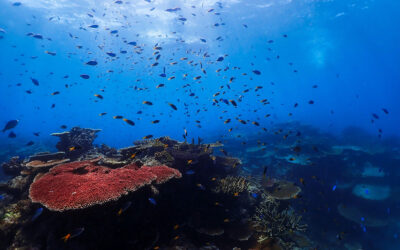
Rights to the Sea: Legal Battles Over Access and Food Security
Introduction The ocean is vast, but access to its resources is increasingly contested. For Australia’s seafood industry, the ability to catch fish or farm aquaculture is not simply a matter of physical effort — it depends on legal rights to access marine and coastal...

People First: Legal Pathways to a Healthy, Skilled, and Inclusive Seafood Workforce
Introduction Behind every catch, every farm, and every export container in Australia’s seafood industry are people. The sector relies on a diverse workforce — from fishers and aquaculture technicians to logistics operators, marketers, and export managers. As the...
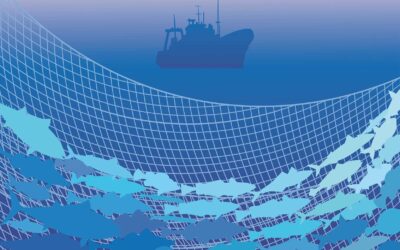
Sustainable by Law: Legal Tools for Climate Resilience in Seafood
Introduction Climate change is not a distant threat for the seafood industry — it is already here. Rising ocean temperatures, changing currents, acidification, and more frequent extreme weather events are reshaping ecosystems and putting pressure on fisheries and...
Smart Seas, Smarter Laws: Regulating AI and Innovation in Fisheries Management
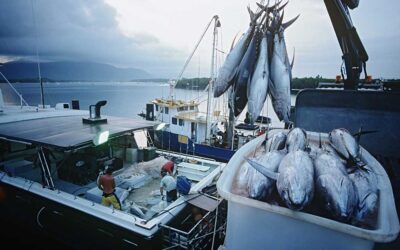
Introduction The seafood industry is in the middle of a technological revolution. Artificial intelligence (AI), blockchain traceability, drones, remote sensing, and smart gear are no longer science fiction — they are becoming part of everyday fisheries and aquaculture...
From Catch to Plate: Legal Challenges in Building Consumer Trust and Provenance
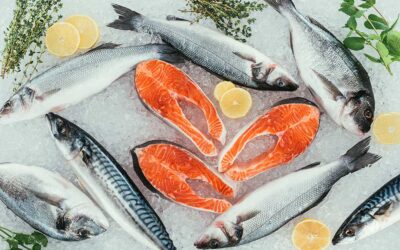
Introduction The seafood industry in Australia is undergoing a transformation. No longer is it enough to land a good catch and send it to market. Today’s consumers want more. They want to know where their seafood comes from, how it was caught or farmed, whether it was...
How Carbon Credits Work in Aquaculture
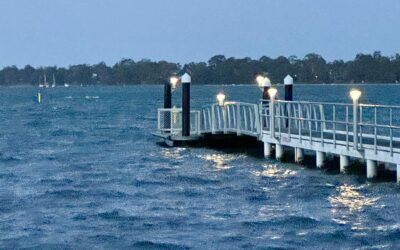
Carbon credits in aquaculture are tied to the capture or removal of carbon dioxide from the atmosphere through biological processes in marine farming systems. This is known as blue carbon. Key mechanisms in aquaculture include: Seaweed farming (macroalgae): Seaweeds...
Wild Catch Fishing Infringement Notices – What to Do If You Get Inspected?
Introduction For wild catch fishers, inspection is part of the job. Fisheries officers have broad powers to board vessels, check gear, and inspect catch. Most inspections are routine — but sometimes they result in infringement notices or prosecutions. This article...
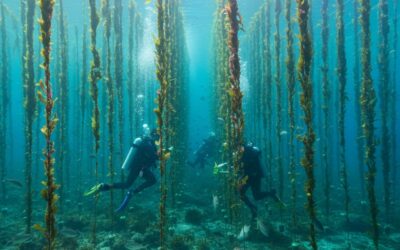
Seaweed Farming – How Do I Avoid Legal Risks?
Introduction Seaweed farming is emerging as one of Australia’s most promising aquaculture industries. Beyond providing food and fertiliser, seaweed is now being recognised for its role in reducing methane emissions, generating blue carbon credits, and supplying...
Key Legal Considerations to Obtain Indigenous Crayfish Quota Allocations in WA
Introduction Western Rock Lobster is Australia’s most valuable fishery, generating over $400 million annually. For Indigenous communities, crayfish is not just a commercial product — it is part of cultural heritage and diet. Yet many communities are effectively locked...
Logistics of Exporting Catch to China – The Legal Implications
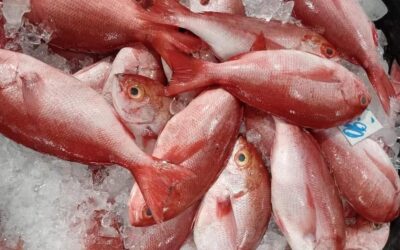
Introduction China is Australia’s largest seafood export market, especially for high-value species like lobster, abalone, and prawns. The rewards are high — but so are the risks. Exporting to China involves a complex mix of logistics, law, and diplomacy. For fishers...

Wild Catch – What Legal Issues Matter?
Introduction Wild catch fishing has always been at the heart of Australia’s seafood industry. From barramundi in the north to rock lobster in the west and abalone in the south, commercial fishers supply both local tables and global markets. The industry is worth...
Indigenous Commercial Fishing Rights in Australia: Challenges and the Way Forward
Introduction Australia’s seas and coastal waters have sustained Indigenous peoples for thousands of years. Fishing has never been just a source of food — it is central to culture, ceremony, and community identity. Over recent decades, Australian courts and governments...

NAMR and Its Role in Australian Aquaculture
Aquaculture is a fast-growing industry in Australia, offering sustainable seafood production and employment in regional communities. As the industry grows, the need for national standards, clear oversight, and environmental accountability becomes critical. That’s...
Workplace Compliance and Safety What Women Leading Seafood Businesses Need to Consider
Introduction Running a seafood business means managing people, equipment, and food—all of which involve risks. Workplace safety and legal compliance are essential, especially in aquaculture, seafood processing, and export businesses. Women leaders in the seafood...
Sustainable Seafood, Sustainable Business Legal Issues for Female Entrepreneurs
Introduction Sustainable seafood means fishing or farming seafood in ways that protect the environment, fish stocks, and local communities. For female entrepreneurs in the seafood industry, building a sustainable business is not only about protecting nature—it is also...

Legal Aspects of Sustainability How Women in Seafood Can Navigate Eco-Friendly Regulations
Introduction Sustainability in seafood is not just a trend—it is a legal requirement in many countries. For women running seafood businesses, understanding these eco-friendly regulations is key to staying competitive and legal. This article helps explain how...
Navigating Seafood Contracts What Every Female Business Leader Should Know
In the seafood industry, contracts form the backbone of every business transaction. Whether you’re sourcing product, entering a joint venture, exporting goods, or hiring staff, contracts protect your interests and create clear expectations. For women leading seafood...
Catch to Compliance Understanding the Legal Framework Impacting Your Seafood Business
Running a seafood business isn’t just about hauling in the day’s catch or managing logistics. It also involves navigating a complex web of legal rules that govern everything from how you fish to how you label your products. Whether you’re a fisher, processor,...
Case Studies Success Stories and Lessons Learned in South America Relative to Aquaculture Farming and Exporting to Countries Like Australia
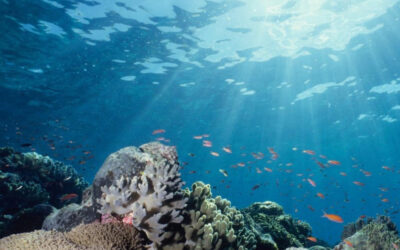
Aquaculture is a fast-growing global industry, with countries in South America taking the lead in both innovation and export growth. For nations such as Chile, Ecuador, and Brazil, aquaculture offers not just food security but also a significant economic opportunity....
Building a Resilient Seafood Export Business
Exporting seafood is a great way to grow your business and reach new markets. But international trade also comes with risks. These include currency changes, transport delays, rule changes, and health or safety problems. A resilient export business is one that can...

Why ESG (Environmental, Social, Governance) Principles in Aquaculture Matter
Aquaculture is one of the fastest-growing food industries in the world. As global demand for seafood rises, there is also more attention on how fish, shrimp, and shellfish are farmed. Today, buyers, investors, and governments want more than just good products—they...

The Importance of Skipper Sub-Contractor Agreements in Sharefishing Legal and Tax Essentials in Australia
In Australia's commercial fishing industry, sharefishing arrangements are a common and long-established method of remunerating crew members—particularly skippers—based on a percentage of the catch or profits rather than a fixed wage. While this structure suits the...

Aquaculture Investment and Funding Opportunities in Australia
Australia has a large and growing aquaculture industry. With its clean waters, advanced technology, and strong demand for seafood, Australia offers great investment and funding opportunities for both local and international businesses. Whether you are a fish farmer,...

Understanding Local Aquaculture Regulatory Frameworks
Fish farming, or aquaculture, is growing fast in many countries. But to run a safe, legal, and successful aquaculture business, it’s important to follow local rules and regulations. These rules are made by the government to protect people, animals, the environment,...

Labelling and Traceability Compliance Essentials in the Seafood Industry
Seafood is one of the most traded food products in the world. Buyers and regulators want to know that seafood is safe, properly labelled, and traceable. Labelling and traceability are essential for protecting consumers, following food laws, and building trust in...

Tariffs, Duties, and Trade Agreements Importing Seafood to Australia
If you are a seafood exporter thinking about selling to Australia, it’s important to understand how tariffs, duties, and trade agreements work. These can affect the price of your product, your profit margins, and your competitiveness in the market. This article...

Legal Entry Navigating Import Regulations into Australia
Exporting seafood to Australia can be a great business opportunity. However, it is important to follow the legal steps carefully. Australia has very strict rules to protect its people, environment, and seafood industry from pests, diseases, and unsafe food. This...

Understanding the Australian Market for Imported Seafood
Australia is a country that loves seafood. Even though it has its own fishing industry, Australia imports a lot of seafood to meet growing demand. This creates a great opportunity for fish farmers and exporters from other countries, especially from developing nations....

Introduction to Global Aquaculture Markets
Aquaculture, or fish farming, is growing faster than any other food production sector in the world. For fish farmers in developing nations, global demand offers a chance to earn more income, create jobs, and improve food security. Understanding how global markets work...

Commercialising Your Pond Don’t Get Caught by Legal Disruptors in Your Business!
Owning a pond can be a rewarding experience, but have you ever thought about turning it into a business? Whether you’re considering fish farming, recreation, or eco-tourism, commercialising your pond can be a lucrative venture. However, before diving in, it's crucial...

Securing the Watert A Legal Guide to Aquaculture Leasing and Licensing!
Aquaculture is a rapidly expanding industry, offering a sustainable solution to meet the growing global demand for seafood. However, setting up and maintaining an aquaculture business requires navigating complex legal frameworks, particularly in obtaining and...

Balancing the Tides Indigenous Rights and Legal Considerations in Aquaculture Development
Aquaculture is a growing industry that provides food security, economic opportunities, and environmental benefits. However, when aquaculture projects intersect with Indigenous lands and waters, they raise critical legal and ethical considerations. Indigenous...

Sustainable Seas Implementing ESG Principles in Aquaculture Start-Up and Growth Funding
Introduction Environmental, Social, and Governance (ESG) principles have become essential criteria for assessing business sustainability, ethical operations, and financial resilience. As global demand for sustainable seafood production increases, investors and...

Fair Seas Navigating Employment Law in the Aquaculture Industry
Aquaculture, the farming of fish, shellfish, and aquatic plants, is a fast-growing global industry providing food security, economic growth, and employment opportunities. However, like any industry, aquaculture businesses must comply with employment laws that protect...

Untangling the Net: Federal vs. State Fisheries Management Governance and Compliance
Australia’s ocean territory is vast, teeming with economic opportunity—and heavily regulated. If you're a commercial fisher, seafood exporter, coral harvester, or aquaculture operator, you've likely had to navigate a maze of rules. One of the biggest questions that...

Sanctioned Seas Navigating International Sanctions and Their Impact on Seafood Trade
Introduction International sanctions play a crucial role in global trade, affecting industries worldwide—including aquaculture. Governments and international bodies impose sanctions to achieve political, economic, or environmental objectives, often targeting specific...

Federal Aquaculture Licensing in 2025 your need to know
In Australia, aquaculture is primarily regulated by state and territory governments, each with its own licensing requirements and procedures. The federal Department of Agriculture, Fisheries and Forestry (DAFF) oversees biosecurity and environmental standards,...

“Net Positive” A Legal & Business Guide to ESG Due Diligence in Aquaculture Investments
Aquaculture, the farming of aquatic organisms like fish, shellfish, seaweed and algae, has become a critical piece of the global food supply puzzle. As demand for sustainable protein sources increases, investors are turning to aquaculture. However, with great...

Navigating Legal Waters Challenges in Sustainable Aquaculture Practices
The aquaculture industry is undergoing a transformation as it adopts sustainable practices to reduce environmental impacts, ensure food security, and meet global demand for seafood. However, implementing these eco-friendly methods is not without legal hurdles....

Legal Strategies for Managing Aquaculture Waste and Environmental Impact
Introduction Aquaculture is a vital industry providing seafood to global markets, but it also generates significant waste, including uneaten feed, fish excreta, and chemical residues. Without proper management, these waste products can harm surrounding ecosystems and...

Investing in Aquaculture Farms in Developing Nations: Business and Legal Perspectives
Aquaculture – the farming of fish, shellfish, and aquatic plants – is one of the fastest-growing food production sectors in the world. As global demand for seafood increases and wild fish stocks decline, aquaculture offers a sustainable alternative. Developing...

Navigating the Storm: What new U.S. Tariffs mean for Australian seafood exporters
In a significant shake-up for the global seafood trade, the United States has introduced a new round of tariffs affecting a broad range of imported goods—including several key Australian seafood exports. As U.S.–China tensions, environmental policies, and domestic...

Navigating Environmental Regulations in Australian Aquaculture
Aquaculture is a vital industry in Australia, contributing significantly to our economy and food security. However, due to its environmental impact, it is subject to stringent regulations at federal, state, and local levels. Understanding and complying with...

Intellectual Property Rights in Aquaculture Innovations: Protecting technological advancements and breeding techniques…
Introduction As aquaculture continues to expand as a key contributor to global food security and economic growth, innovation in breeding techniques, biotechnology, and digital monitoring tools has become essential. However, with these advancements comes the need for...

Environmental Protection and Biodiversity Conservation Act in Aquaculture: Balancing Growth and Sustainability
Introduction Australia’s aquaculture industry plays a crucial role in the nation’s economy and food security. However, as the industry expands, environmental concerns related to habitat destruction, water pollution, and biodiversity loss have become significant...

Climate Change Legislation and Its Impact on Aquaculture: Navigating Evolving Policies and Compliance
Introduction Climate change is reshaping industries worldwide, and aquaculture is no exception. Rising temperatures, ocean acidification, and extreme weather events pose serious risks to fish farms and marine ecosystems. Governments are implementing climate change...

The Legal Framework of Aquaculture Insurance: Managing Risks and Ensuring Industry Stability
Introduction Aquaculture is a fast-growing sector within the global seafood industry, providing a sustainable solution to meet increasing demand for fish and seafood. However, aquaculture operations are vulnerable to various risks, including environmental hazards,...

Addressing The Two Ts of Product Labelling to Meet Consumer Protection Laws!
Introduction In an era where consumers demand greater transparency about the origins and quality of their food, aquaculture product labelling has become a critical issue. Proper labelling not only ensures that consumers make informed purchasing decisions but also...

Protecting Digital Aquaculture Solutions: Data Privacy laws and their relevance to aquaculture technology!
Introduction The aquaculture industry is undergoing a digital transformation, with smart technologies, IoT sensors, and AI-driven analytics becoming integral to modern fish farming. While these innovations improve efficiency and sustainability, they also generate...

Biosecurity Law Enforcement in Aquaculture: Ensuring Disease Prevention and Control!
Introduction Biosecurity is a critical component of aquaculture, ensuring the health and sustainability of farmed aquatic species. Effective biosecurity laws help prevent disease outbreaks, protect biodiversity, and maintain international trade standards. This...

Intersection of Animal Welfare Laws and Aquaculture: Standards for the Humane Treatment of Farmed Aquatic Species
Introduction Animal welfare in aquaculture is an increasingly important issue, with legal frameworks evolving to ensure the humane treatment of farmed aquatic species. Unlike terrestrial livestock, fish and other farmed aquatic animals have historically received less...

Riding the Trade Wave: How Agreements Shape Australian Seafood Exports!
Introduction Australia is known for its high-quality seafood, with products like rock lobster, prawns, abalone, and tuna in high demand across global markets. International trade agreements play a crucial role in shaping the success of seafood exports by influencing...

Implementing ESG Principles in Aquaculture Farms: A Legal and Business Guide
Introduction Environmental, Social, and Governance (ESG) principles are becoming essential in the aquaculture industry. With increasing global demand for sustainable seafood, implementing ESG principles can enhance profitability, ensure regulatory compliance,...

Best Practice Tips for Aquaculture Companies for Corporate Governance & Compliance
Corporate governance and compliance are crucial for the sustainable success of aquaculture companies. With the growing demand for responsibly farmed seafood, businesses must align with legal, environmental, and ethical governance standards. This article...